 Save
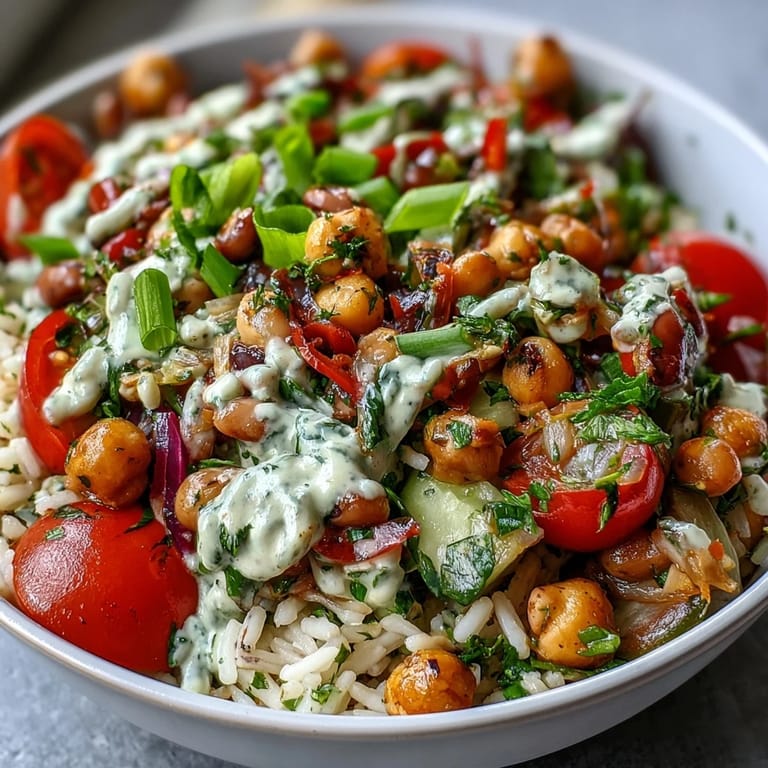
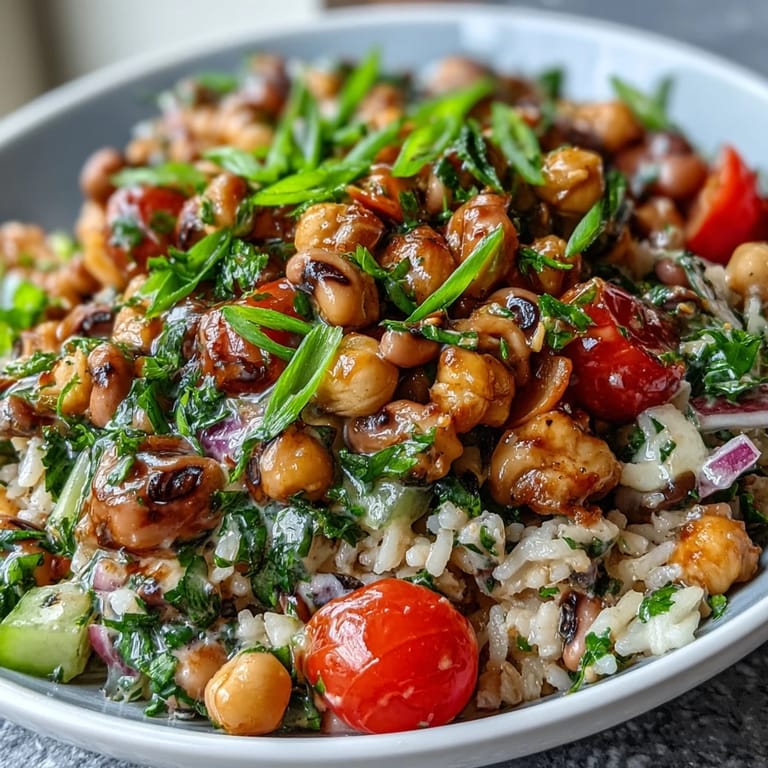
Save Last New Year's Eve, my sister called at the last minute asking what I was making for the first dinner of the year—something lucky, something green or golden. I'd been thinking about the old Southern tradition of hoppin' John, that rice-and-peas comfort dish meant to bring prosperity, but I wanted something lighter, brighter, that didn't feel heavy after the holidays. So I built a salad around it instead, layering black-eyed peas and chickpeas with fresh vegetables and a tahini dressing that tasted creamy without any cream. She came over with a bottle of sparkling wine, and we ate it straight from the serving bowl while the sun set, feeling like we'd stumbled onto something good.
I've since made this for a potluck in January where someone brought store-bought hummus and I realized people were genuinely hungry for something that wasn't mayonnaise-heavy or overly traditional. This salad sat empty within an hour, and three people asked for the recipe while wiping their plates clean. It became my quiet proof that you don't need meat or cream to make something people actually want to eat.
Ingredients
- Black-eyed peas (1 cup dried or 1 can): These are the soul of the dish—earthy, slightly nutty, and packed with the luck and tradition you're looking for; if you use canned, just drain and rinse thoroughly to get rid of any metallic taste.
- Chickpeas (1 can, 15 oz): They add protein and a firmer texture that keeps the salad from feeling mushy, and they play beautifully with the creaminess of the tahini.
- Long-grain rice (1 cup cooked and cooled): Use day-old rice if you have it—it separates better and won't clump everything together; warm rice will make the dressing too thin.
- Red bell pepper (1 small, diced): This brings sweetness and a gentle crunch that brightens the earthiness of the legumes.
- Celery stalk (1 small, diced): It adds a subtle herbaceous note and texture; don't skip it even though it's easy to overlook.
- Red onion (1/2 small, finely chopped): Raw red onion has a sharp bite that wakes up the whole salad, and its color is beautiful.
- Cherry tomatoes (1 cup, halved): These burst with acid and sweetness; if they're not in season, use whatever tomatoes taste good to you or even sun-dried ones.
- Green onions (2, sliced): They're the final fresh note that makes you taste every element separately instead of everything blending into one flavor.
- Fresh parsley (1/4 cup, chopped): This isn't just garnish—it cuts through the richness of the tahini and keeps things lively.
- Tahini (1/4 cup): This is the secret; it creates a dressing that's creamy without dairy, but buy good tahini or it'll taste like cardboard, and always give the jar a stir because it separates.
- Lemon juice (2 tablespoons): Acid is your friend—it keeps the salad from tasting dull and brings all the vegetables into focus.
- Apple cider vinegar (1 tablespoon): This adds depth that regular vinegar doesn't quite achieve, with a subtle sweetness underneath.
- Olive oil (1 tablespoon): A good one makes a difference here since it's so visible in the dressing.
- Maple syrup or agave (1 teaspoon): Just enough to balance the acid and bring out the natural sweetness of the legumes.
- Garlic (1 clove, minced): Mince it fine so you don't bite into a harsh chunk; if you're nervous about raw garlic, use a microplane to almost create a paste.
- Water (2–3 tablespoons): Add this slowly while whisking—tahini can go from pourable to too thin in one tablespoon.
- Salt and black pepper: Taste as you go; you'll need more salt than you think because the legumes absorb it.
- Smoked paprika (1/4 teaspoon, optional): This is optional but it adds a whisper of smoke that feels almost like you grilled something.
Tired of Takeout? 🥡
Get 10 meals you can make faster than delivery arrives. Seriously.
One email. No spam. Unsubscribe anytime.
Instructions
- Prepare the black-eyed peas:
- If you're using dried peas, rinse them well, soak for at least 4 hours or overnight, then drain and simmer in fresh water for 30–40 minutes until tender but not falling apart. The smell as they cook is warm and inviting—you'll know they're ready when you can squish one easily between your fingers. Let them cool completely, which takes about as long as it takes to chop all your vegetables.
- Gather everything in one bowl:
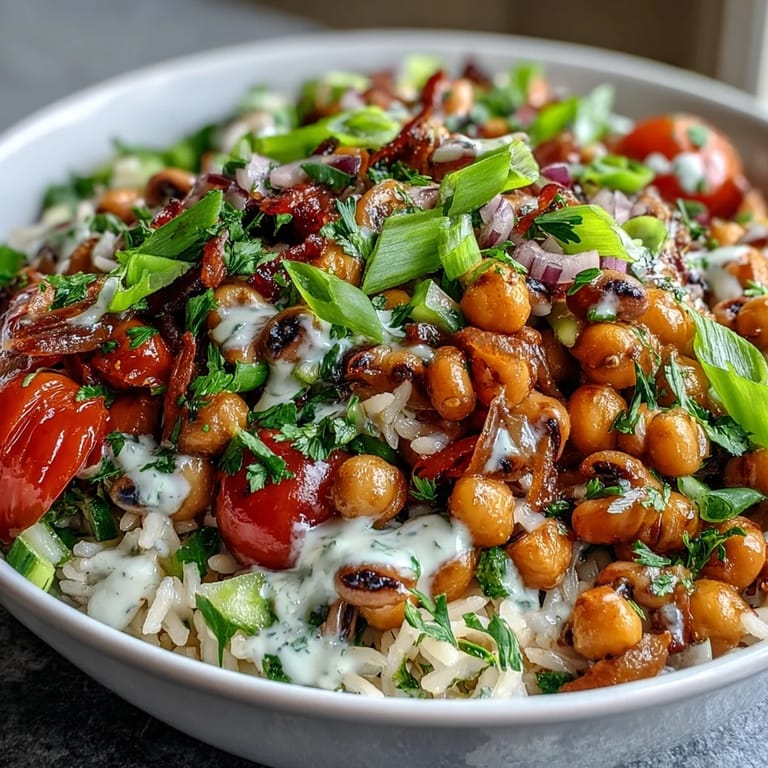
- In a large mixing bowl, combine the cooled peas, chickpeas, cooled rice, bell pepper, celery, red onion, cherry tomatoes, green onions, and parsley. This is the moment where it looks like a lot of separate things, but trust that the dressing will tie it all together into something that feels whole.
- Make the tahini dressing:
- In a small bowl, whisk together tahini, lemon juice, vinegar, olive oil, maple syrup, minced garlic, salt, pepper, and paprika until it starts to come together, then add water one tablespoon at a time while whisking. You want it pourable but still thick enough to coat a spoon—it'll continue to thicken slightly as it sits.
- Dress the salad:
- Pour the dressing over everything and toss gently, using a light hand so you don't break up the peas or squash the tomatoes. Taste a bite and adjust the seasoning—add more salt if it tastes flat, more lemon if it needs brightness, or a touch more water if it feels too thick.
- Let it rest and serve:
- You can serve it immediately while everything's bright and distinct, or refrigerate it for an hour so the flavors meld and become more familiar with each other. Either way, give it a gentle toss before serving, and if it's been chilled, let it sit out for 5 minutes so the dressing loosens up.
 Save
Save There's something about serving this salad to people who expect something heavier or more complicated, and watching them realize it's both satisfying and light. It stopped being just a recipe when my grandmother took a second serving and said it reminded her of summer, even though we were eating it in the dead of winter.
Why This Works as a Lucky Dish
The tradition of eating black-eyed peas on New Year's Day runs deep in Southern cooking—they're supposed to bring prosperity and good fortune for the year ahead. By turning it into a salad, you're honoring that history while making something that feels fresh and modern, not like you're following rules just because they exist. It's a way of saying you respect where something comes from while making it your own.
The Tahini Advantage
Using tahini instead of a mayo or vinaigrette-based dressing changes everything about how the salad tastes and feels. It brings a subtle earthiness that echoes the peas, and because it's naturally vegan, it means everyone at the table can eat it without questions or substitutions. The dressing also keeps the salad from drying out as it sits, so leftovers are actually better than the moment you make them.
Storage and Variations
This salad is forgiving and gets better with time, making it perfect for meal prep or bringing to a gathering where you're not sure when everyone will eat. The dressing actually coats and preserves the vegetables, so it keeps well for up to 3 days in the refrigerator. Just give it a gentle stir and add a splash of water if it's thickened too much.
- Stir in diced avocado right before serving if you want it creamier, or add a handful of fresh kale if you're looking for more greens and don't mind the slight bitterness.
- For heat, dice a jalapeño or two into the salad, or whisk a pinch of cayenne into the dressing—it'll warm everything from the inside out.
- If you're bringing this to a potluck, transport the salad and dressing separately and combine them just before serving so the vegetables stay crisp.
 Save
Save Every time I make this, I think about how food carries wishes and memories, and how sometimes the simplest act of cooking something with care is the luck you're really after. Eat this at the start of your year and mean it—the peas, the greens, the generous dressing—it all adds up to something worth having.
Recipe Questions & Answers
- → What makes this dish auspicious for New Year's?
Black-eyed peas are a Southern tradition symbolizing prosperity and good luck for the coming year. Combined with leafy greens representing wealth, this bowl honors those meaningful culinary traditions.
- → Can I make this ahead of time?
Absolutely. This bowl actually improves after refrigerating for an hour or two as the tahini dressing infuses the vegetables and legumes. Store in an airtight container for up to 3 days.
- → Is the tahini dressing essential?
The creamy dressing balances the earthy legumes and crisp vegetables beautifully. You could substitute with a lemon-herb vinaigrette, but tahini adds richness and protein that complements the dish perfectly.
- → What can I add for extra protein?
Consider adding diced avocado, hemp seeds, or even crumbled feta if you eat dairy. The existing combination of black-eyed peas and chickpeas already provides 13 grams per serving.
- → Can I use different vegetables?
Feel free to swap in diced cucumber, grated carrots, or shredded kale. The key is maintaining a mix of crunchy textures and vibrant colors to complement the creamy tahini.