 Save
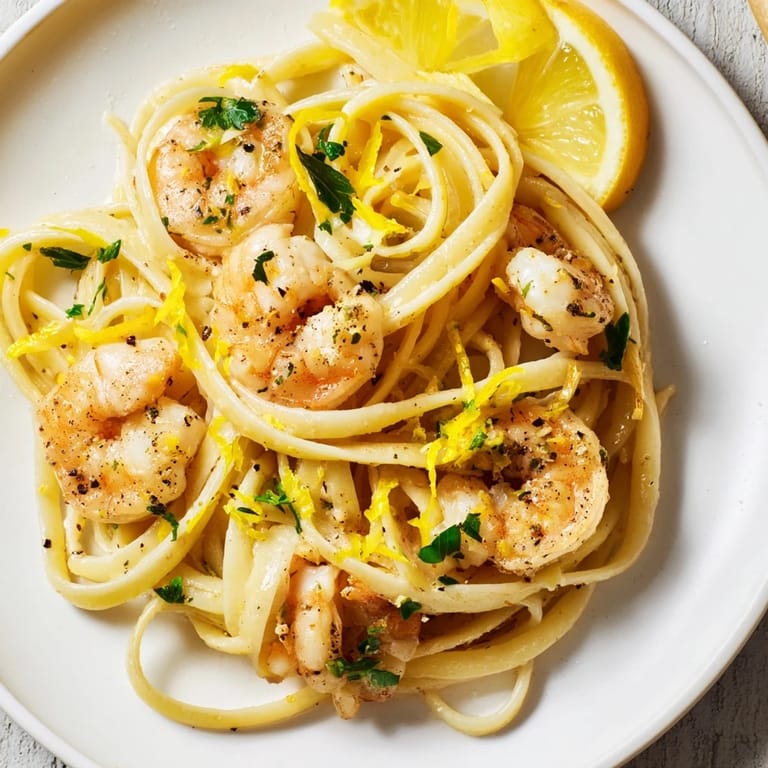
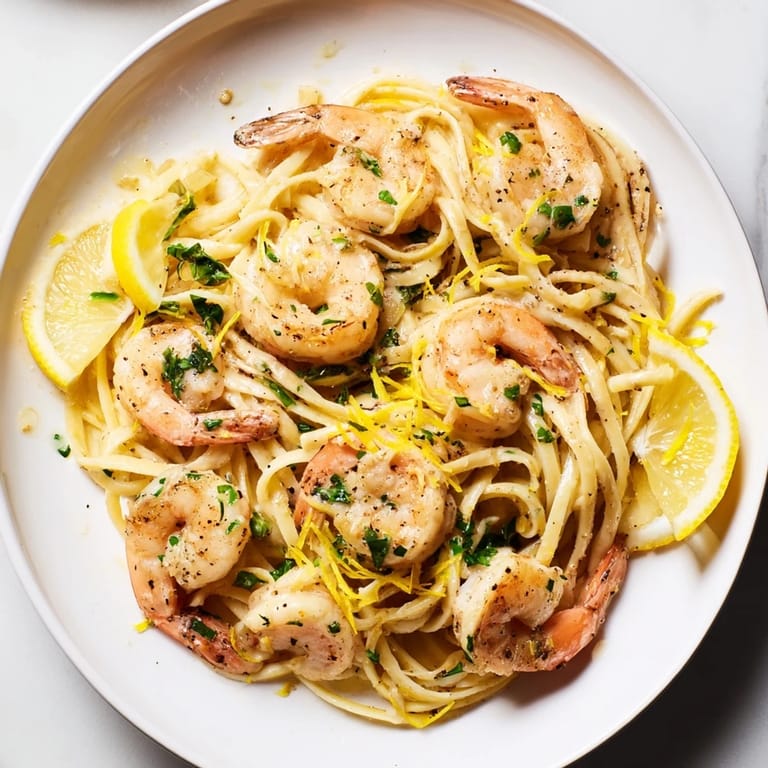
Save There's something about the smell of garlic hitting hot olive oil that makes you stop whatever you're doing. One random Tuesday evening, I decided to throw together whatever I had in the kitchen—some shrimp that needed using, a box of linguine, and half a lemon rolling around in my crisper drawer. What came together in barely thirty minutes was bright, elegant, and so effortlessly good that I've made it probably a hundred times since. This pasta isn't fussy or pretentious; it's just honest cooking that happens to taste like you spent hours on it.
I made this for my sister the first time she came back to visit after moving away, and watching her twirl that first forkful while the steam rose up and caught the kitchen light—that's when I realized this dish had become something more than dinner. Now whenever she's in town, she asks for it without fail, and I've started keeping good shrimp on hand just in case.
Ingredients
- Large shrimp (400 g): Look for ones that are still slightly firm when you press them gently—they'll stay tender rather than turning into rubber bullets. Defrost them in the fridge if frozen, and pat them absolutely dry before cooking or they'll steam instead of sear.
- Linguine or spaghetti (340 g): The shape matters because you want something that catches and holds onto that silky sauce, so skip the tiny shapes and stick to the long strands.
- Garlic (3 cloves, minced): This isn't about being timid; mince it fine so it melts into the oil rather than leaving chunky bits, and your whole dish changes.
- Lemon zest and juice: One large lemon gives you brightness without overwhelming the dish, but taste as you go because lemons vary wildly in how acidic they are.
- Fresh parsley and basil (3 tbsp and 2 tbsp): Fresh herbs are non-negotiable here—they're what make this taste like spring on a plate, not like something that came from a jar.
- Extra-virgin olive oil (3 tbsp): Don't cheap out here because this is one of your main flavors, not just a cooking medium.
- Unsalted butter (1 tbsp): It rounds out the sauce and keeps it from tasting too sharp, even though the whole thing is dairy-light.
- Salt and freshly ground black pepper: Taste constantly because you're building layers of flavor, and the pasta water will add its own saltiness as you go.
Tired of Takeout? 🥡
Get 10 meals you can make faster than delivery arrives. Seriously.
One email. No spam. Unsubscribe anytime.
Instructions
- Start the pasta:
- Get that water boiling hard and salt it so it tastes like the sea—this is your only chance to season the pasta itself. Cook until the linguine is tender with just a tiny bit of resistance in the center, then grab a mug of that starchy water before you drain everything.
- Dry and season the shrimp:
- Pat them with paper towels until they're really dry or they'll stick to the pan instead of browning. A light sprinkle of salt and pepper is all they need right now.
- Sear the shrimp hard:
- Get your skillet screaming hot and add the oil—you want it to shimmer and almost smoke. Lay the shrimp down in a single layer and don't move them for a full minute or they won't develop that golden crust.
- Build your sauce base:
- Turn the heat down, add the remaining oil and butter, then let that garlic sizzle for just a few seconds until it goes fragrant and golden. Go too long and it turns bitter, so stay right there watching it.
- Bring it all together:
- Toss your hot pasta directly into the skillet with the lemon zest and juice, then splash in that reserved pasta water a little at a time until everything looks glossy and cohesive. The starch in the water is what turns those separate ingredients into an actual sauce.
- Final toss and serve:
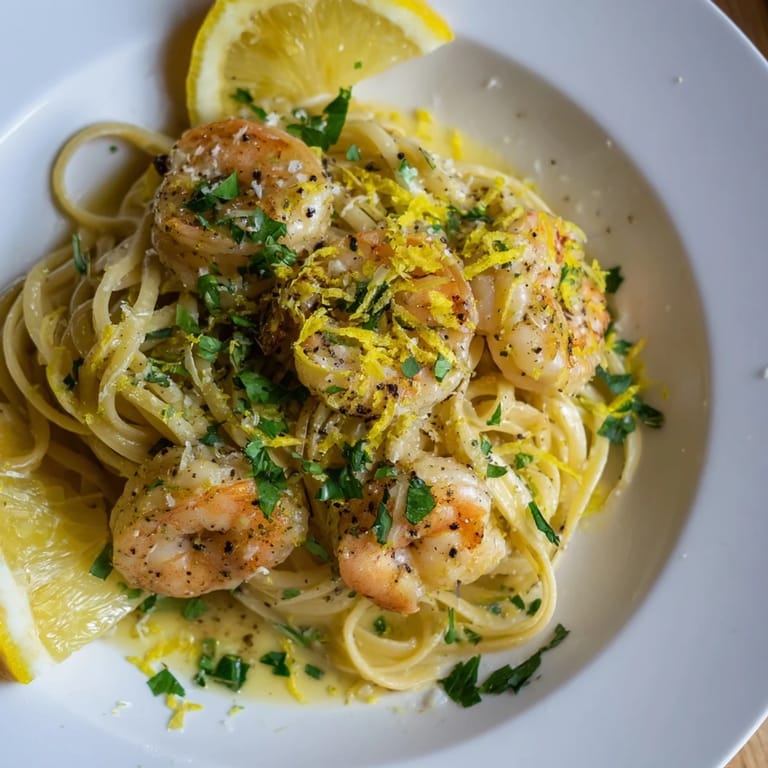
- Slide the shrimp back in, scatter your fresh herbs on top, and toss gently so nothing breaks apart. Serve it immediately on warm plates because this dish doesn't wait around.
 Save
Save There was an evening when I made this for someone I'd just met, and they asked for the recipe before they'd even finished eating. I remember thinking that's the highest compliment a home cook can get—when someone wants to recreate what you made, wants to taste it again in their own kitchen.
Why This Works Every Time
The magic here is restraint. This isn't a dish that needs cream or fancy techniques; it's built on three pure flavors that sing together—the brightness of lemon, the sweetness of shrimp, and the deep note of garlic. Everything else is just supporting those three things and getting out of their way. The pasta water does the real work, turning those individual ingredients into something that feels luxurious without being heavy.
Timing and Temperature Matter
The reason this comes together in thirty minutes is because you're cooking with real heat and not overthinking it. Your pan needs to be hot enough that the shrimp browns instead of steaming, and the pasta needs to go straight from the water into the pan so it's still hot and ready to absorb all that flavor. This is one of those dishes where timing is kindness to your own appetite—make it and eat it immediately, don't let it sit waiting for people to show up.
Variations and Moments
I've made this dish at least a dozen different ways depending on what I had on hand or what mood I was in. Sometimes I add a pinch of red pepper flakes if I want something with a little attitude, sometimes I throw in a handful of cherry tomatoes right at the end so they burst and add sweetness, and once I added a splash of white wine when I had it open and the dish got even more sophisticated. The bones of it stay the same, but there's room for your own kitchen instincts to shine. The best version is always the one you make with ingredients you actually enjoy, not the one that follows rules.
- Red pepper flakes add heat without changing the character of the dish if you want to wake it up.
- A splash of white wine in place of some pasta water brings an elegance that makes people think you went to cooking school.
- Fresh herbs can be swapped around—dill is wonderful if you want something different, and mint adds a surprising brightness that works beautifully with lemon and shrimp.
 Save
Save This pasta is proof that the best meals don't need to be complicated or take all day. It's just good ingredients, a hot pan, and knowing when to stop fussing and let the food be what it wants to be.
Recipe Questions & Answers
- → What type of pasta works best in this dish?
Linguine is preferred for its balance of texture, but spaghetti or fettuccine are excellent alternatives.
- → How can I tell when the shrimp is perfectly cooked?
The shrimp should be pink and opaque, usually cooking 1-2 minutes per side to maintain tenderness.
- → Can I adjust the lemon flavor intensity?
Yes, increase or reduce lemon zest and juice according to your taste preference for a brighter or milder citrus note.
- → Is it possible to make this dairy-free?
Omit the butter and Parmesan cheese to keep the dish dairy-free while maintaining a flavorful profile with olive oil and herbs.
- → What wine pairs well with this pasta?
Light white wines like Sauvignon Blanc or Pinot Grigio complement the citrus and seafood flavors beautifully.