 Save
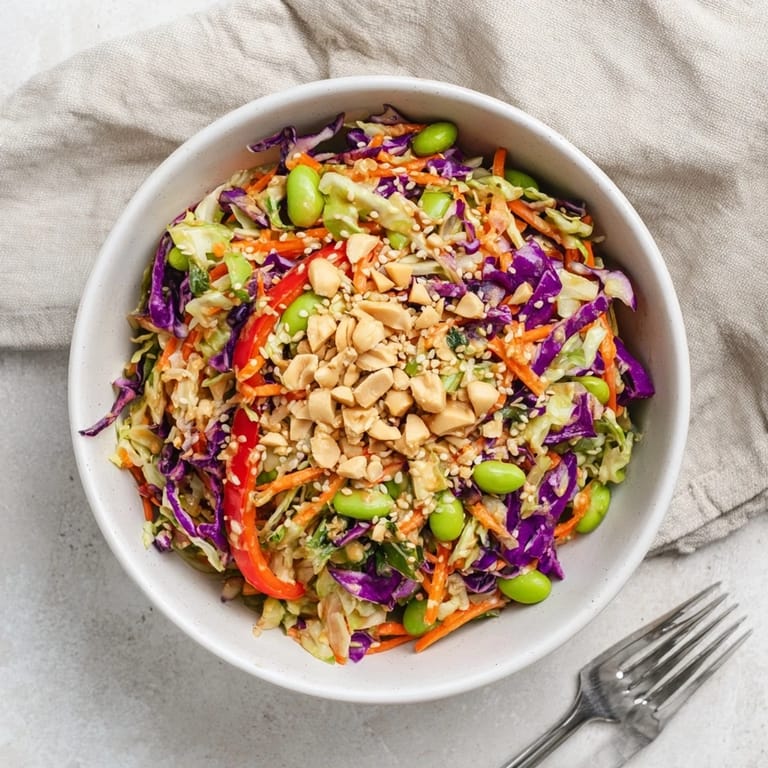
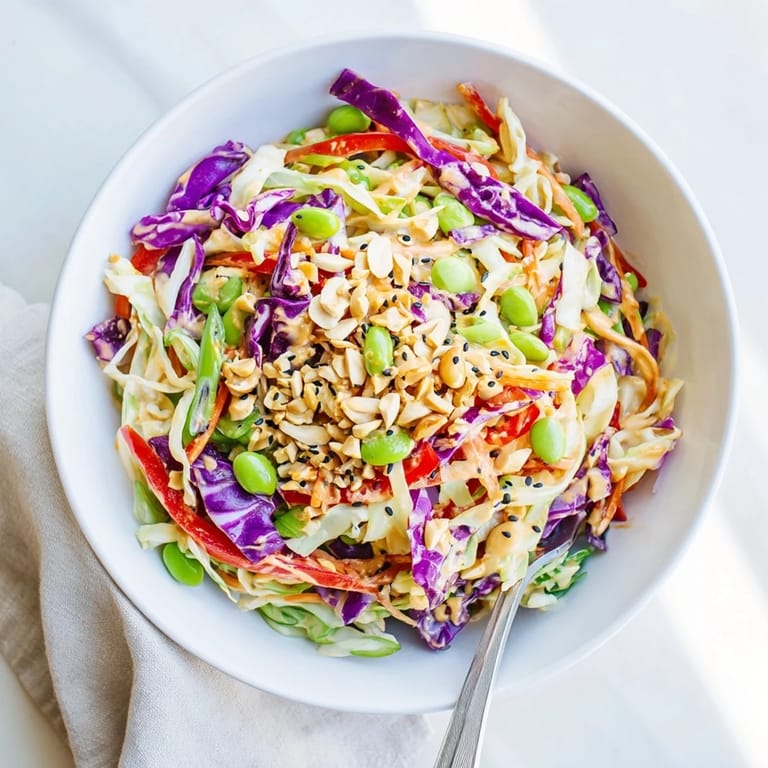
Save My coworker brought this to a potluck and I watched everyone circle back for seconds, ignoring the pasta salads entirely. She scribbled the dressing ratio on a napkin for me, and I've been making it ever since. The crunch is almost absurdly satisfying, and the peanut dressing clings to every shred of cabbage like it was designed for it. It's become my go-to whenever I need something that feels virtuous but tastes indulgent.
I made this for a summer dinner on the porch, and my friend who claims to hate salads ate two bowls. She kept saying it didn't taste like rabbit food, which I took as the highest compliment. The lime wedges on the side turned into a little ritual: everyone squeezed more over their bowl between bites. It's one of those dishes that makes people lean back in their chairs and sigh happily.
Ingredients
- Shredded green cabbage: The sturdy base that holds up to the dressing without going soggy, and it adds a sweet, mild crunch.
- Shredded purple cabbage: Brings color and a slightly peppery bite that balances the sweetness of the carrots.
- Shredded carrots: These add natural sweetness and a pop of orange that makes the salad look as good as it tastes.
- Shelled edamame: Cooked and cooled, they give you protein and a buttery texture that contrasts beautifully with the crisp vegetables.
- Red bell pepper: Thinly sliced for sweetness and a little juicy crunch that lightens the whole bowl.
- Scallions: Thinly sliced, they add a sharp, fresh bite without overpowering the other flavors.
- Fresh cilantro: Chopped and scattered throughout, it brings herbal brightness that ties everything together.
- Creamy peanut butter: The heart of the dressing, it creates a rich, nutty base that clings to every vegetable.
- Soy sauce: Adds salty umami depth, use tamari if you need it gluten-free.
- Rice vinegar: Brings a gentle tanginess that cuts through the richness of the peanut butter.
- Lime juice: Freshly squeezed is key here, it adds brightness and a citrusy zing that makes the dressing sing.
- Maple syrup: A touch of sweetness that balances the salty and tangy elements perfectly.
- Toasted sesame oil: Just a teaspoon adds a nutty, aromatic depth that makes the dressing taste complex.
- Fresh ginger: Grated fine, it gives a warm, spicy note that wakes up the whole dressing.
- Garlic: Minced small, it adds a sharp, savory punch that rounds out the flavor.
- Roasted peanuts: Roughly chopped, they add an extra layer of crunch and reinforce the peanut flavor.
- Toasted sesame seeds: Optional but lovely, they add a nutty finish and a bit of visual charm.
Tired of Takeout? 🥡
Get 10 meals you can make faster than delivery arrives. Seriously.
One email. No spam. Unsubscribe anytime.
Instructions
- Combine the Vegetables:
- In a large mixing bowl, toss together the green cabbage, purple cabbage, carrots, edamame, bell pepper, scallions, and cilantro until everything is evenly distributed. The colors should look like a sunset in a bowl.
- Make the Peanut Dressing:
- In a separate bowl, whisk together the peanut butter, soy sauce, rice vinegar, lime juice, maple syrup, sesame oil, ginger, and garlic until smooth. Add water a tablespoon at a time, whisking after each addition, until the dressing is pourable but still creamy.
- Dress the Salad:
- Pour the peanut dressing over the vegetables and toss well, using tongs or your hands to make sure every shred is coated. The dressing should cling without pooling at the bottom.
- Add the Toppings:
- Transfer the salad to a serving platter or individual bowls, then scatter the roasted peanuts, sesame seeds, and extra cilantro over the top. Tuck lime wedges around the edges for squeezing.
- Serve Immediately:
- This salad is best enjoyed fresh when everything is still crunchy and vibrant. Pass around the lime wedges so everyone can add an extra hit of citrus.
 Save
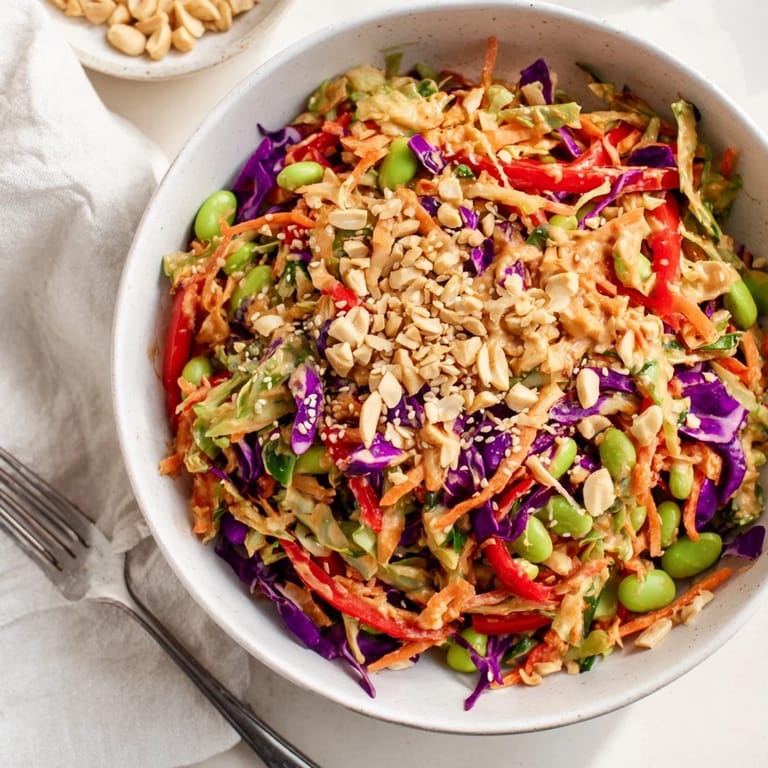
Save I brought this to a picnic once, and it sat in the cooler for two hours before we ate. When I opened the container, it was still as crunchy as when I packed it, and everyone marveled at how fresh it tasted. That's when I realized this salad has staying power, which is rare and precious in the world of potlucks.
Make It Your Own
If you want more protein, grill some tofu until it's golden and slice it thin, or shred rotisserie chicken and fold it in. For nut-free friends, swap the peanut butter for sunflower seed butter and skip the peanut topping. You can also bulk it up with snap peas, cucumber, or even thinly sliced radishes for extra crunch and a peppery bite.
Storage and Leftovers
This salad keeps in the fridge for up to two days, though the cabbage will soften slightly as it absorbs the dressing. If you plan to save leftovers, store the dressing separately and toss it with the vegetables right before serving. The peanuts and sesame seeds should also go on at the last minute to keep them crunchy.
Serving Suggestions
This salad works beautifully on its own as a light lunch, but it also pairs well with grilled shrimp, seared salmon, or a bowl of jasmine rice. I've served it alongside spring rolls at a casual dinner party, and the flavors echoed each other in the best way.
- Serve it in individual bowls with chopsticks for a fun, interactive presentation.
- Double the dressing recipe and keep extra in the fridge for drizzling over grain bowls or roasted vegetables.
- If you're feeding kids, leave the ginger and garlic mild or let them build their own bowls so they can control the toppings.
 Save
Save This salad has become my answer to the question of what to bring when I don't want to show up empty-handed but also don't want to stress. It's easy, it travels well, and it always disappears.
Recipe Questions & Answers
- → Can I make this salad ahead of time?
The vegetables can be prepped and stored separately for up to 2 days. For best results, dress the salad just before serving to maintain crunchiness. Dressed leftovers keep for up to 2 days in the refrigerator.
- → What are good protein additions?
Grilled tofu, shredded rotisserie chicken, crispy chickpeas, or tempeh work wonderfully. For a lighter option, simply enjoy it as a vegetable-forward side dish.
- → How do I adjust the dressing consistency?
Add water gradually while whisking to reach your desired consistency. Start with 2 tablespoons and increase as needed. For a thicker dressing, use less water; for a thinner drizzle, add more.
- → What substitutes work for peanut butter?
Almond butter, sunflower butter, or tahini are excellent alternatives. Use the same quantity and adjust water as needed. Each will create a slightly different but equally delicious flavor profile.
- → How can I add more texture?
Try adding sliced snap peas, chopped cucumber, water chestnuts, or crispy wonton strips. Toasted sesame seeds and crushed peanuts also enhance the crunch factor.
- → Is this naturally gluten-free?
Most ingredients are gluten-free, but regular soy sauce contains gluten. Substitute tamari or coconut aminos for a completely gluten-free version. Always check ingredient labels for cross-contamination.