 Save
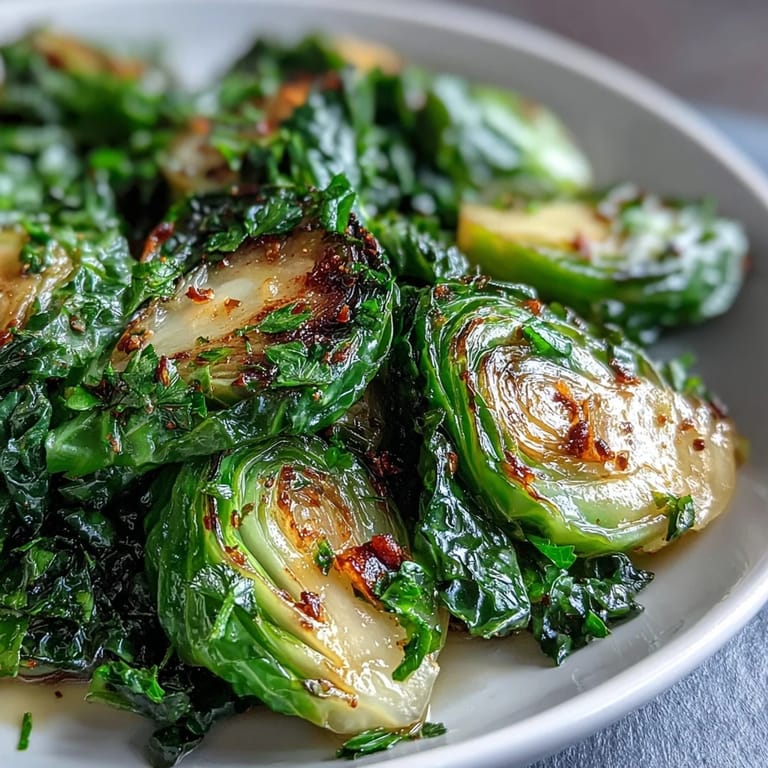
Save There's something almost meditative about watching a pile of raw cabbage shrink down into something golden and caramelized. I discovered this recipe on a Tuesday evening when my fridge held nothing but half a head of green cabbage, some garlic that had seen better days, and a half-empty spice rack. What emerged from that humble skillet in twenty minutes surprised me—it tasted like someone had been cooking Mediterranean food in my kitchen for hours, not minutes. Now it's become my go-to when I need something fast, nourishing, and completely foolproof.
I made this for my mother-in-law last summer when she announced she was trying to eat more vegetables. She came into the kitchen while I was cooking and kept hovering near the skillet, asking what I was making because the smell was so good. When she took her first bite, she looked genuinely surprised that something so simple could taste that vibrant. That moment made me realize this dish has a quiet kind of magic—it doesn't need fancy ingredients or complicated techniques to impress people.
Ingredients
- 1 medium head green cabbage (about 750 g), thinly sliced: Thin slicing is everything here because it means the cabbage wilts faster and gets those golden, caramelized edges that make this dish sing.
- 1 medium red onion, thinly sliced: Red onions add a subtle sweetness that balances the spices beautifully, and they're pretty too.
- 3 cloves garlic, minced: Don't skip mincing it small—you want it to distribute evenly so every bite has that fragrant garlic flavor.
- 2 tablespoons extra-virgin olive oil: This is your cooking medium and flavor foundation, so use good quality oil you actually like the taste of.
- 1 teaspoon ground cumin: This is the backbone spice that makes the whole dish Mediterranean, earthy and warm.
- 1 teaspoon sweet paprika: Sweet paprika gives color and a gentle pepper flavor without heat—it's what makes this approachable for everyone.
- ½ teaspoon dried oregano: Dried oregano holds its flavor through the heat and adds that unmistakable Mediterranean signature.
- ¼ teaspoon crushed red pepper flakes (optional): Add this only if you want a whisper of heat, but honestly, the dish is perfect without it.
- Salt and black pepper, to taste: Taste as you go at the end because you might need less than you think.
- 2 tablespoons chopped fresh parsley: Fresh parsley added at the very end brightens everything and makes it look intentional rather than like you threw it together in ten minutes.
- Lemon wedges, for serving: A squeeze of fresh lemon at the table transforms this from side dish to something people actually crave.
Tired of Takeout? 🥡
Get 10 meals you can make faster than delivery arrives. Seriously.
One email. No spam. Unsubscribe anytime.
Instructions
- Get your pan warm and ready:
- Pour the olive oil into a large skillet and let it heat over medium heat for about a minute. You'll know it's ready when it shimmers slightly and smells like toasted oil.
- Start with the onion base:
- Add the red onion slices and let them soften for two minutes, stirring occasionally. They'll lose their raw edge and start to turn translucent, which is your signal to move forward.
- Bloom that garlic:
- Stir in the minced garlic and cook for just 30 seconds—you're listening for that kitchen-filling aroma and watching that the garlic doesn't brown. Burnt garlic tastes bitter, so this is the one moment where timing matters.
- Add the cabbage and coat everything:
- Toss in all the sliced cabbage and mix it really well so every piece gets coated in the oil and aromatic onion-garlic mixture. It'll look like way too much at first, but trust the process.
- Season and let the magic happen:
- Sprinkle in the cumin, paprika, oregano, red pepper flakes if you're using them, and a good pinch of salt and pepper. Stir it all together so the spices are evenly distributed.
- Sauté with patience:
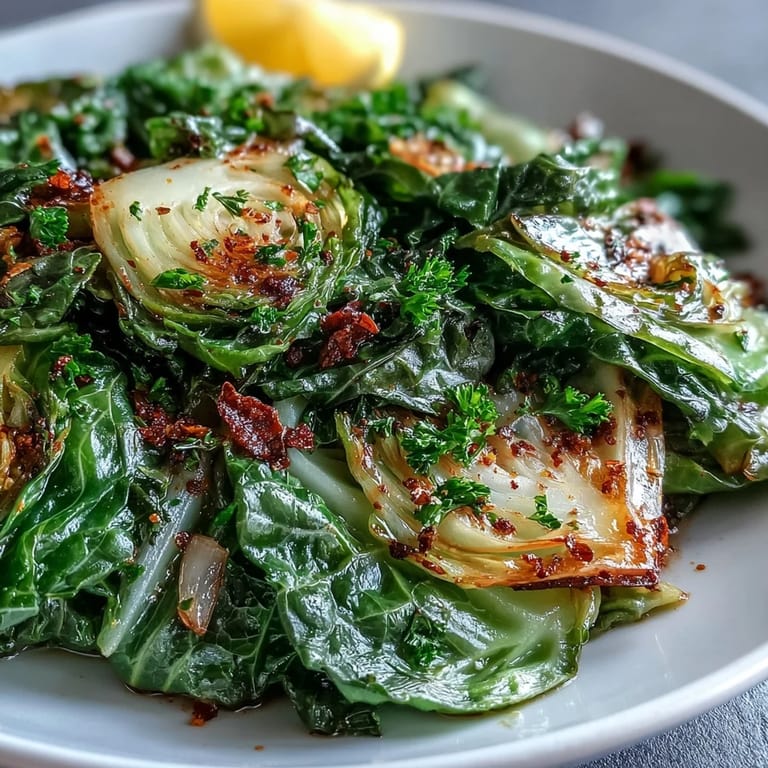
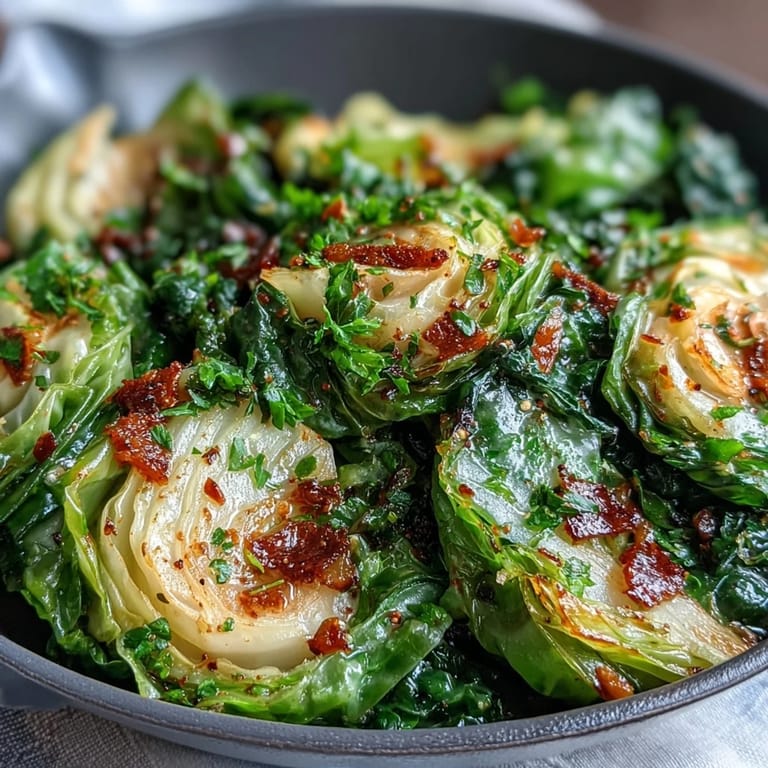
- Cook for 6 to 8 minutes, stirring every minute or so, until the cabbage is tender with just a little bite left and the edges are starting to turn golden brown. The occasional caramelized bit is exactly what you're after.
- Taste and adjust:
- Before you finish, take a bite and see if it needs more salt, pepper, or a squeeze of lemon brightness. This is your last chance to make it exactly how you like it.
- Finish and serve:
- Remove from heat, scatter the fresh parsley over the top, and bring the whole skillet to the table with lemon wedges so people can brighten their portions as they please.
 Save
Save Last winter, I made a huge batch of this for a casual dinner party, and people came back to the kitchen asking for the recipe like I'd spent all day cooking. What made me happiest wasn't the compliments but watching someone who claimed to hate cabbage completely clean their plate. Food has this quiet power when it's made with intention and respect for simple flavors, and that's exactly what this dish is.
The Secret of Good Cabbage Cooking
Most people underseasoning cabbage because they're scared of overwhelming it, but cabbage actually wants bold flavors. It's sturdy enough to stand up to cumin and paprika without getting lost, and that's why Mediterranean spices are its perfect partner. The key is distributing the seasoning evenly so every bite tastes intentional rather than just seasoned-in-places.
When to Add Cherry Tomatoes
If you want to push this dish into slightly more special territory, halve some cherry tomatoes and add them during the last two minutes of cooking. They'll warm through without falling apart, and they add a pop of tartness that plays beautifully against the soft, caramelized cabbage and spiced oil. It's the kind of small addition that makes people wonder what you changed.
Making It Your Own
This recipe is honestly a framework rather than a strict set of rules. Once you understand how it works—aromatics first, vegetables next, spices blooming in the hot oil—you can play with it endlessly. Smoked paprika instead of sweet paprika deepens the whole thing beautifully, fennel seeds add an anise note that's subtle and interesting, or a pinch of sumac at the end brightens everything with citrus without adding liquid.
- Try adding a handful of toasted pine nuts or sliced almonds at the very end for texture and richness.
- A splash of balsamic vinegar in the last minute adds depth without making it taste vinegary.
- Serve it warm, at room temperature, or even cold the next day as a quick lunch—it's honestly good every way.
 Save
Save There's real joy in pulling together something beautiful and nourishing in the time it takes to set the table. This sautéed cabbage taught me that sometimes the best meals are the ones that ask the least from you and give the most back.
Recipe Questions & Answers
- → Can I use a different type of cabbage?
Yes, red cabbage or savoy cabbage work well as substitutes. Red cabbage will take slightly longer to cook and has a more robust flavor, while savoy cabbage is more delicate and tender.
- → How do I prevent the garlic from burning?
Add the garlic after the onion has softened and cook it for only 30 seconds until fragrant. Stir constantly and immediately add the cabbage to lower the temperature in the pan.
- → Can I make this dish ahead of time?
Yes, you can prepare it up to 2 days in advance. Store in an airtight container in the refrigerator and reheat gently in a skillet over medium heat. The texture will be slightly softer when reheated.
- → What other spices pair well with this dish?
Smoked paprika adds depth, while coriander or fennel seeds provide earthy notes. A pinch of turmeric or sumac can also enhance the Mediterranean flavor profile beautifully.
- → How can I add more protein to this side dish?
Toss in chickpeas, white beans, or crumbled feta cheese during the last few minutes of cooking. You can also top with toasted pine nuts or slivered almonds for added texture and protein.
- → Why is my cabbage watery?
Cabbage releases moisture as it cooks. To avoid excess water, cook over medium to medium-high heat to allow evaporation, and avoid overcrowding the pan. Don't cover the skillet while sautéing.