 Save
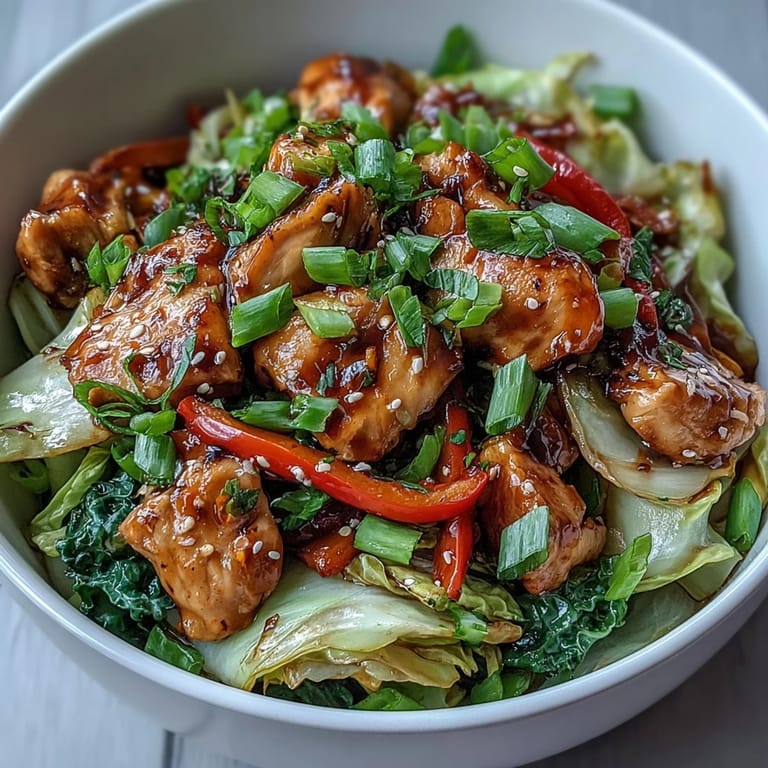
Save There was a Tuesday when my roommate showed up at the kitchen door looking absolutely defeated, holding takeout menus like they were a white flag. I'd just bought this massive head of cabbage on impulse and thought, why not? Twenty minutes later, the apartment smelled like garlic and sesame, and he was actually smiling between bites. That's when I realized this stir-fry wasn't just quick, it was a mood-shifter, the kind of dish that makes a regular evening feel intentional.
I made this for my sister's first night back from traveling, and she asked for seconds before finishing her first plate. She said it tasted like the street food we'd eaten once in Bangkok, but somehow better because it was warm and waiting when she needed it most. Cooking for someone who's been gone a while hits different.
Ingredients
- Boneless, skinless chicken breast or thighs, thinly sliced: Thighs stay juicier if you're not timing this perfectly, but breasts work if you slice them on the bias and don't overcook them past that golden stage.
- Green cabbage, cored and thinly sliced: The core is easier to remove if you slice it in half first and use the knife to carve it out, leaving you with clean, manageable pieces.
- Carrot, julienned: A vegetable peeler or mandoline makes this faster, but thin knife work is honest and meditative if you have the time.
- Red bell pepper, thinly sliced: Cut it into strips that match the cabbage's size so everything cooks and tastes balanced together.
- Green onions, sliced: Keep these separate and add them at the very end so they stay bright and slightly sharp, not limp.
- Soy sauce or tamari: Tamari is genuinely better for gluten-free, and honestly tastes cleaner even if you're not avoiding gluten.
- Oyster sauce: This is where the dish gets its depth, that savory thing that makes you want another bite.
- Hoisin sauce: A small amount adds sweetness and body without tasting like straight sugar.
- Rice vinegar: The acid that wakes everything up and keeps it from being too heavy.
- Sesame oil: Just a touch, toasted sesame oil specifically, because it smells like possibility and transforms the whole flavor.
- Cornstarch and water: This thickens the sauce so it clings to the vegetables instead of pooling at the bottom of the pan.
- Vegetable oil: High heat needs an oil that won't smoke, so don't use olive oil here no matter how tempting.
- Garlic and fresh ginger: Thirty seconds is all they need to release their flavor into the oil, filling the kitchen with something that smells like cooking actually matters.
Tired of Takeout? 🥡
Get 10 meals you can make faster than delivery arrives. Seriously.
One email. No spam. Unsubscribe anytime.
Instructions
- Combine your sauce first:
- Whisk soy sauce, oyster sauce, hoisin, rice vinegar, sesame oil, cornstarch, water, and sugar in a small bowl and let it sit. This way you're not scrambling mid-stir-fry, and the cornstarch has time to distribute evenly through the liquid.
- Cook the chicken until it's golden:
- Heat one tablespoon of oil in a large skillet or wok over medium-high heat until it shimmers, then add your sliced chicken. Let it sit for about two minutes before stirring so it gets that golden crust, then cook for another couple minutes until it's just cooked through. It'll finish cooking a bit more later, so don't wait until it's completely firm.
- Build the flavor base:
- Remove the chicken to a plate, then add the second tablespoon of oil. Drop in your minced garlic and grated ginger, and let them toast for about thirty seconds, stirring constantly so they don't burn. Your kitchen should smell incredible at this point.
- Stir-fry your vegetables:
- Add cabbage, carrot, and bell pepper all at once, and keep them moving for three to four minutes. You want them tender but still with a slight snap when you bite them, not soft and sad.
- Bring it all together:
- Return the chicken to the pan, pour in your prepared sauce, and toss everything constantly for two to three minutes until the sauce thickens and becomes glossy. You'll see it go from liquid to coating, and that's exactly when you know it's ready.
- Finish with brightness:
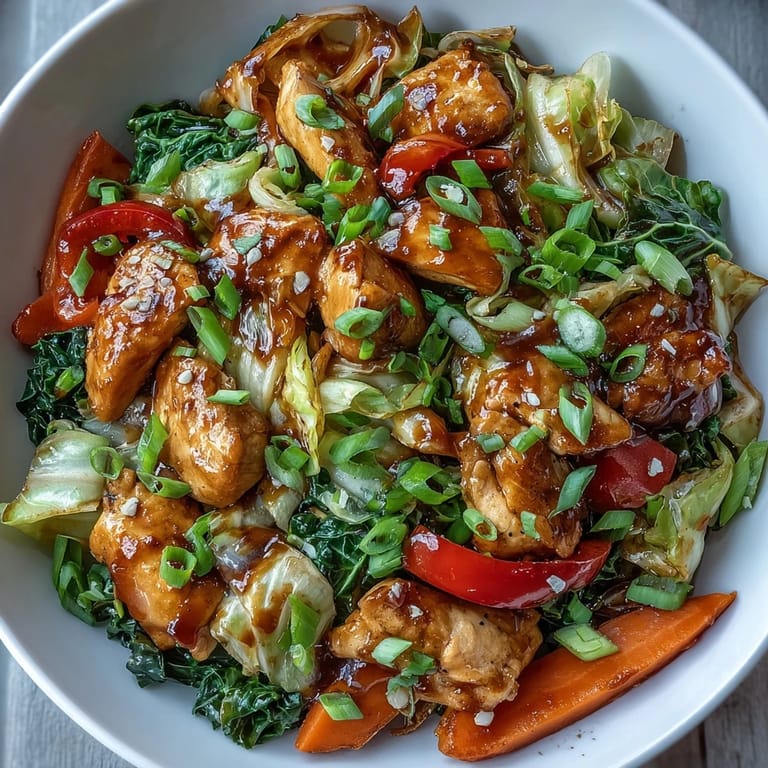
- Stir in your sliced green onions, taste it, and adjust the seasoning if it needs it. Some soy sauces are saltier than others, and some palates like a bit more acid.
 Save
Save My neighbor borrowed this recipe after smelling it through our shared wall, and now we trade containers back and forth like we're in some kind of food friendship treaty. There's something about sharing food that's faster than talking about sharing food, if that makes sense.
The Wok Versus the Skillet Question
A wok heats faster and distributes temperature more evenly, which is genuinely nice, but a large skillet works just fine if that's what you have. The real secret is high heat and constant movement, not the equipment itself. I've made this in an ancient cast iron skillet and it turned out great, just needed a bit more attention to prevent sticking.
Protein Swaps That Actually Work
Shrimp cooks in about two minutes instead of five, so add it after the vegetables and sauce to avoid overcooking. Tofu needs to be pressed first so it's dry and can actually get golden, then treat it gently because it's fragile. I've also made this with thinly sliced pork shoulder, which stays juicy and gives the dish a different kind of richness.
What Makes This Feel Like Restaurant Food
It's honestly just the combination of textures, temperatures, and that glossy sauce clinging to everything. The trick is not rushing any single step, even though the whole thing takes thirty minutes. When you taste it hot and it comes together in your mouth, the crisp cabbage and tender chicken and that savory sauce, it feels like you actually did something.
- Slice everything before you start cooking so you're not scrambling once the heat is on.
- Taste as you go and don't be shy about adjusting salt or acid based on your own preference.
- Serve it immediately because the vegetables start losing their crunch the second you plate it.
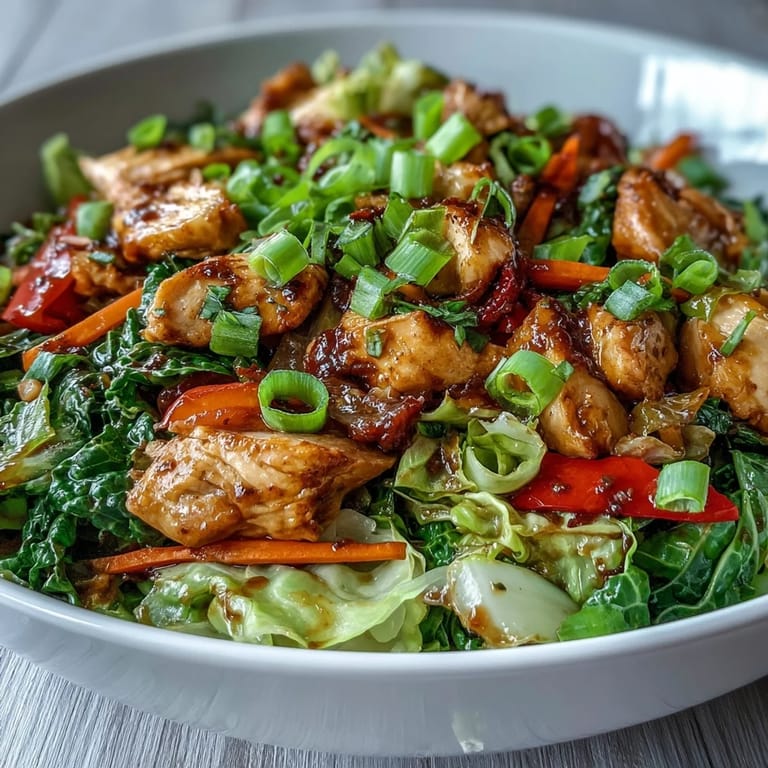 Save
Save This is the kind of dinner that reminds you why cooking matters, not because it's complicated but because it's genuinely good and you made it. There's a quiet confidence in serving something this delicious to yourself or someone you care about.
Recipe Questions & Answers
- → Can I use chicken thighs instead of chicken breast?
Yes, chicken thighs work wonderfully in this stir-fry and often stay more tender and juicy during cooking. Simply slice them thinly and follow the same cooking instructions.
- → How do I keep the cabbage crisp and not soggy?
Cook the cabbage over high heat for only 3-4 minutes, stirring frequently. Avoid overcrowding the pan, which can cause steaming instead of stir-frying. The cabbage should be crisp-tender, not fully softened.
- → What can I substitute for oyster sauce?
For a vegetarian option, use mushroom-based oyster sauce. Alternatively, substitute with additional soy sauce mixed with a small amount of sugar, though the flavor will be slightly different from traditional oyster sauce.
- → Can I make this dish ahead of time?
While best served fresh, you can prep ingredients in advance by slicing the chicken and vegetables and mixing the sauce. Store separately in the refrigerator and stir-fry when ready to eat for optimal texture.
- → How do I make this stir-fry gluten-free?
Use tamari instead of regular soy sauce and ensure your oyster sauce and hoisin sauce are labeled gluten-free. Many Asian sauces contain wheat, so always check the labels carefully.
- → What other vegetables work well in this dish?
Snap peas, broccoli florets, bok choy, mushrooms, and zucchini all complement the chicken and cabbage nicely. Add heartier vegetables earlier in the cooking process and delicate ones toward the end.