 Save
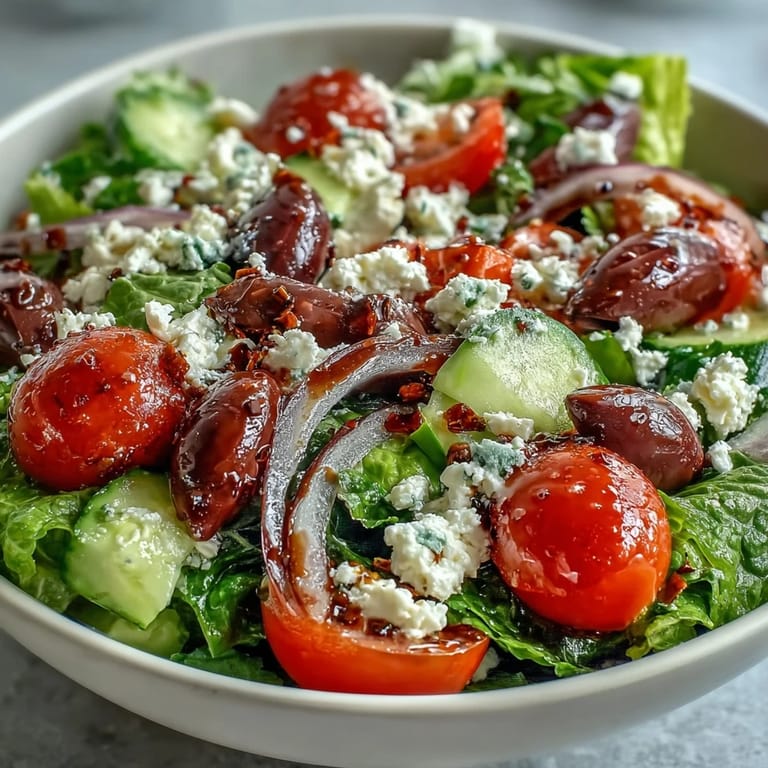
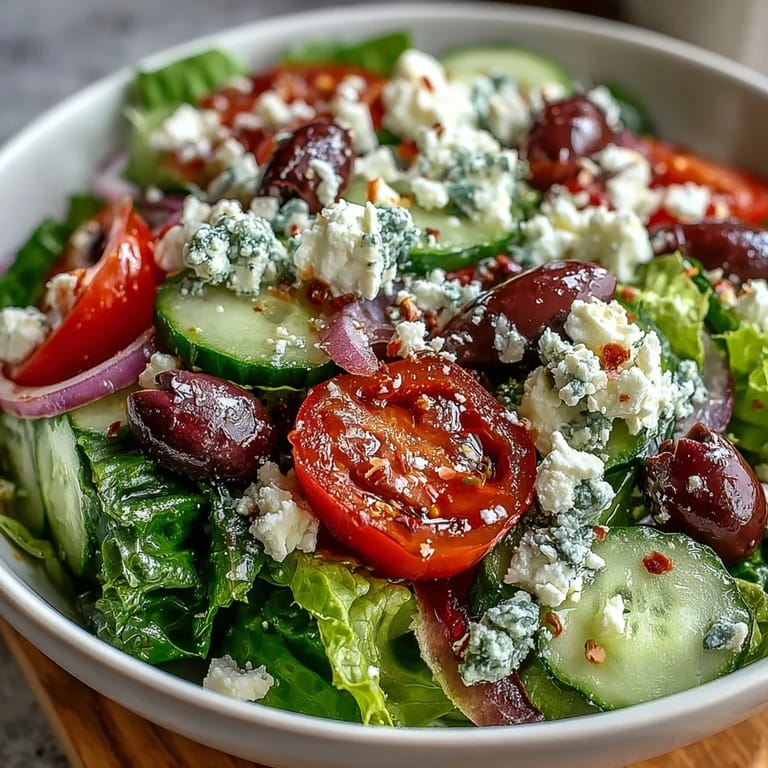
Save I used to think Greek salad was just chopped vegetables with feta thrown on top until a neighbor invited me over after a summer farmers market haul. She pulled out a jar, shook up a vinaigrette that smelled like an olive grove, and tossed everything together with her hands. The way the dressing clung to every leaf and the feta softened just slightly into the tomatoes taught me that even the simplest salad needs intention. Now I make this bowl whenever I want something bright and satisfying without turning on the stove.
I started bringing this salad to potlucks after a friend asked me to stop showing up with store bought hummus. The first time I set the bowl down, someone asked if Id ordered it from a restaurant. I didnt admit how easy it was until the third person requested the recipe. Now its my go to when I want to look like I tried harder than I actually did.
Ingredients
- Romaine lettuce: The crunch holds up to the dressing without wilting into sadness like softer greens, and it has enough structure to carry all the toppings.
- Cherry tomatoes: Halving them releases just enough juice to mingle with the vinaigrette, and theyre sweeter and less watery than full size tomatoes.
- Cucumber: I slice mine thin so every bite has a cool, crisp snap that balances the salty feta and olives.
- Red onion: A small amount adds sharpness without overpowering, and slicing it thin keeps it from being too aggressive.
- Feta cheese: The creaminess and tang are what make this salad feel indulgent, so dont skimp or substitute with a bland cheese.
- Kalamata olives: Their briny, almost fruity flavor is essential, and pitting and halving them distributes that taste more evenly.
- Extra virgin olive oil: This is the base of the vinaigrette, so use something you would happily dip bread into.
- Red wine vinegar: It brings the acidity that makes everything taste brighter and more alive.
- Dried oregano: This single herb does all the heavy lifting to make the dressing unmistakably Greek.
- Garlic: One clove minced fine adds a subtle background warmth without turning the dressing into garlic bread.
- Dijon mustard: It helps emulsify the dressing so it clings instead of pooling at the bottom of the bowl.
- Salt and black pepper: They pull everything together and make the flavors pop instead of tasting flat.
Tired of Takeout? 🥡
Get 10 meals you can make faster than delivery arrives. Seriously.
One email. No spam. Unsubscribe anytime.
Instructions
- Build the base:
- Toss the romaine, tomatoes, cucumber, and red onion into a large bowl, letting them tumble together loosely. Dont press them down, you want air between the layers so the dressing can reach everywhere.
- Add the stars:
- Scatter the feta and olives over the top like youre decorating, because they deserve to be seen before you toss everything together.
- Make the vinaigrette:
- Combine the olive oil, vinegar, oregano, garlic, mustard, salt, and pepper in a small jar and shake it hard until it looks creamy and unified. If you whisk it in a bowl instead, keep going until you dont see any separation.
- Dress and toss:
- Drizzle the vinaigrette over the salad just before serving and toss gently with your hands or tongs so every piece gets coated. If you dress it too early, the lettuce will wilt and lose its snap.
- Serve immediately:
- This salad is best when its just been tossed and everything is still cold and crisp. Plate it up right away and watch it disappear.
 Save
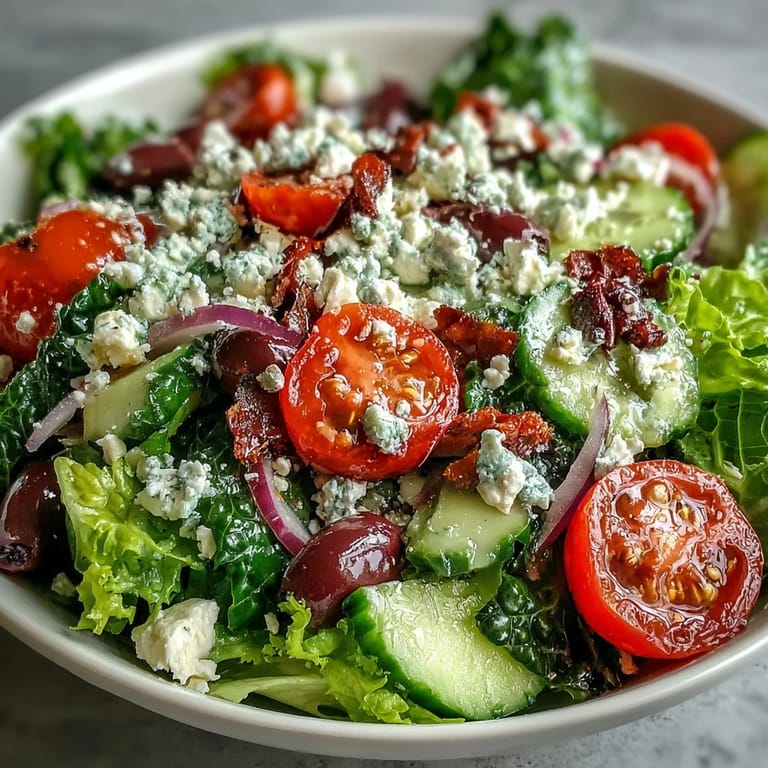
Save One evening I made this salad for a quiet dinner at home and realized halfway through that I was eating it straight from the bowl with my fingers, plucking out bites of feta and tomato like it was a snack plate. It made me laugh because somewhere along the way it stopped being just a side dish and became something I craved on its own. That night I decided it didnt need anything else to be complete.
How to Choose Your Ingredients
I learned to buy feta from the deli case instead of the pre crumbled stuff in plastic tubs because it tastes creamier and less rubbery. The olives matter too, look for ones that are glossy and plump, not shriveled and dull. For the lettuce, I go for heads that feel heavy and tightly packed, because thats a sign theyre fresh and will stay crunchy longer.
Making It a Full Meal
If youre hungry for more than just vegetables, add grilled chicken, chickpeas, or even leftover rotisserie meat torn into pieces. I sometimes toss in warm pita wedges or serve it alongside roasted potatoes when I want something more filling. A handful of fresh dill or a few sliced bell peppers can stretch the salad further without changing its character.
Storing and Prepping Ahead
You can chop all the vegetables and store them separately in the fridge for up to two days, but keep the dressing in its jar and dont combine anything until youre ready to eat. The feta and olives can sit in a small container so theyre ready to sprinkle on top. Once its tossed, this salad doesnt keep well, so only dress what youll finish in one sitting.
- Store leftover vinaigrette in the fridge for up to a week and use it on roasted vegetables or grain bowls.
- If you must store dressed salad, keep it in an airtight container and eat it within a few hours before it gets soggy.
- Prep your vegetables the night before to make assembly feel effortless when hunger hits.
 Save
Save This salad has become my answer to the question of what to make when I want something that feels like a treat but takes almost no effort. Its proof that the best meals dont always need heat or complexity, just good ingredients and a little attention to how they come together.
Recipe Questions & Answers
- → How long does Greek salad stay fresh?
This salad tastes best when served immediately after tossing with the vinaigrette. The crisp vegetables maintain their texture for several hours, but the dressing can make the lettuce wilt if left too long. Store components separately and combine just before serving for optimal freshness.
- → Can I make the vinaigrette ahead of time?
Absolutely! The Greek vinaigrette can be prepared up to a week in advance and stored in an airtight container in the refrigerator. The flavors actually develop and meld together over time, making it even more delicious. Give it a good whisk or shake before using.
- → What can I substitute for feta cheese?
For a similar salty, crumbly texture, try goat cheese, halloumi, or a plant-based feta alternative. If avoiding dairy entirely, you can also skip the cheese entirely and add extra olives or avocado for creaminess.
- → Is this salad gluten-free?
Yes, all traditional ingredients in this Greek salad bowl are naturally gluten-free. However, always check labels on packaged items like olives and mustard, as some may contain gluten-based additives or be processed in facilities with gluten.
- → How can I add more protein?
Grilled chicken breast, shrimp, or chickpeas make excellent protein additions. You could also add hard-boiled eggs, grilled halloumi cheese, or even leftover lamb. For plant-based options, try quinoa, lentils, or additional beans.
- → What vegetables work well in this bowl?
Beyond the classic mix, bell peppers, radishes, or thinly sliced celery add nice crunch. Avocado offers creaminess, while fresh herbs like dill, parsley, or mint enhance the Mediterranean flavors. Artichoke hearts or roasted red peppers also complement beautifully.