 Save
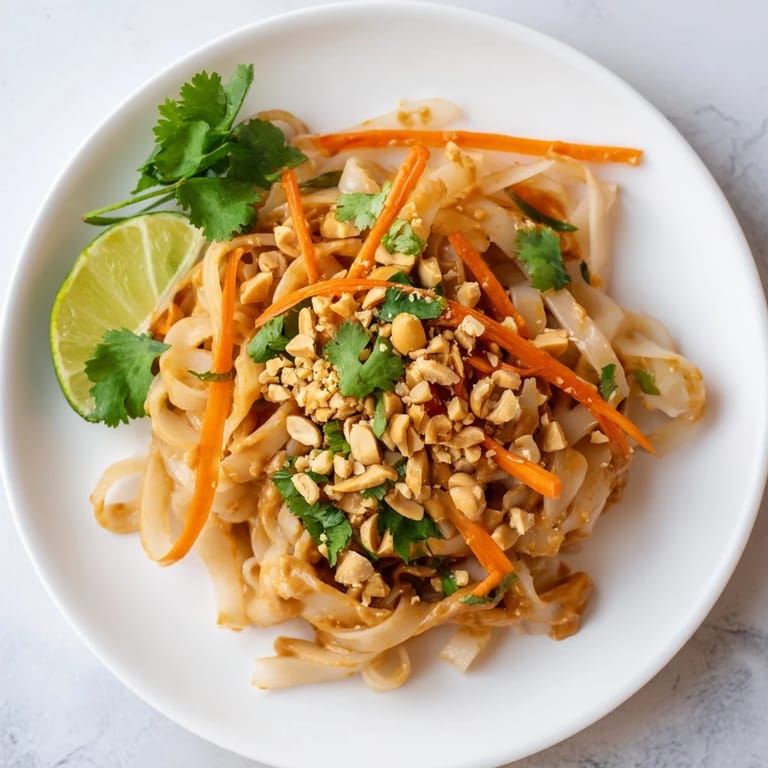
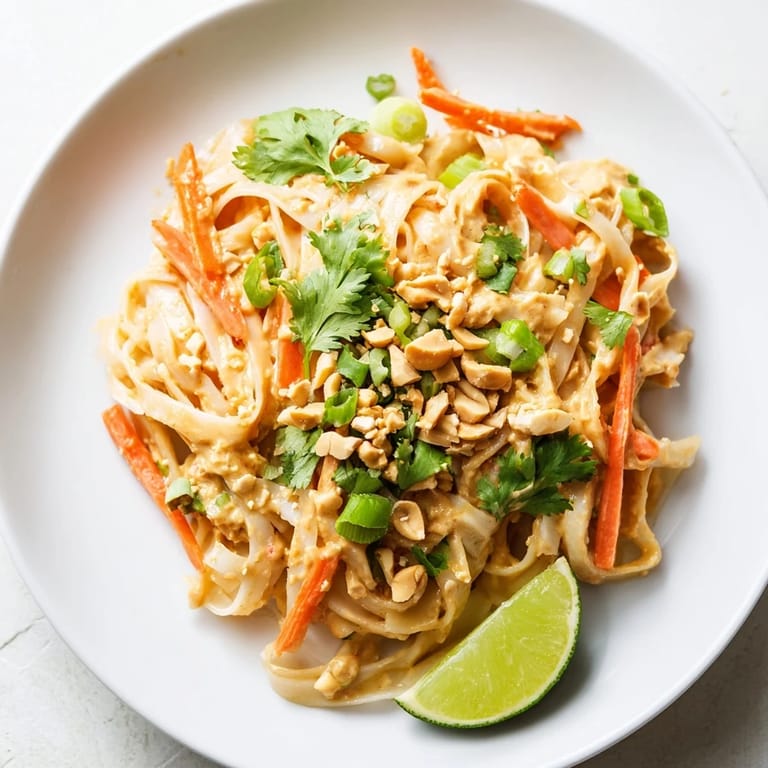
Save There's something almost meditative about the moment when a jar of peanut butter transforms into silky sauce under the whisking of warm water and soy sauce. I discovered these noodles on a random Tuesday when I had nothing in my pantry but the basics and wanted something that felt like takeout without the phone call. What started as improvisation became my go-to dinner, the kind that's on the table in less time than it takes to pick a show to watch.
I made this for a dinner party once when a friend mentioned she was craving something spicy but didn't want a heavy meal, and I watched her go back for seconds while barely talking. That's when I knew this wasn't just a weeknight shortcut, it was something worth serving with confidence.
Ingredients
- Dried rice noodles or spaghetti (12 oz): Rice noodles have a tender bite that soaks up sauce like a dream, but regular spaghetti works beautifully too if that's what's in your cabinet.
- Creamy peanut butter (1/2 cup): The foundation of everything—use the natural kind without added sugar if you can, it lets the other flavors shine through.
- Soy sauce (1/4 cup): This is your umami anchor; don't skip it or substitute lightly.
- Rice vinegar (2 tbsp): The brightness that keeps this from tasting heavy, even though it's rich and creamy.
- Toasted sesame oil (1 tbsp): A little goes a long way—the toasted kind has that deep, nutty flavor that makes people ask what your secret is.
- Honey or maple syrup (2 tbsp): Balances the heat and salt with gentle sweetness; maple syrup leans more savory if you prefer.
- Sriracha or chili garlic sauce (2–3 tbsp): This is where you control the temperature—taste as you go, because heat builds.
- Garlic and ginger (2 cloves and 1 tbsp): Fresh is non-negotiable here; they add a warmth that dried spices can't match.
- Warm water (1/4 cup, plus more): The magic ingredient that turns thick peanut butter into a sauce that clings to every noodle.
- Shredded carrots, sliced bell pepper, scallions (3 cups total): Raw vegetables add crunch and freshness that keeps this from feeling one-note.
- Roasted peanuts and fresh cilantro (1/4 cup each): The finishing layer that makes each bite interesting—cilantro especially brightens everything.
- Lime wedges: For squeezing over just before eating; the acid ties it all together.
Tired of Takeout? 🥡
Get 10 meals you can make faster than delivery arrives. Seriously.
One email. No spam. Unsubscribe anytime.
Instructions
- Boil the noodles until tender:
- Follow the package timing, but taste at the lower end of the range so they stay a little firm. As soon as they're done, run them under cold water, shaking the colander to get them completely dry—wet noodles won't absorb sauce evenly.
- Whisk the sauce until smooth:
- In a medium bowl, combine peanut butter, soy sauce, rice vinegar, sesame oil, honey, sriracha, garlic, and ginger, then add the warm water slowly while whisking. If it's too thick, add a splash more water until it pours like heavy cream. Taste it now—this is when you decide if you want more heat.
- Toss everything together:
- In a large bowl, combine the cooled noodles, carrots, and bell pepper, then pour the warm sauce over top. Toss for a full minute so the noodles get coated evenly and start absorbing all that flavor. It'll look loose at first, then the noodles drink it up.
- Plate and garnish:
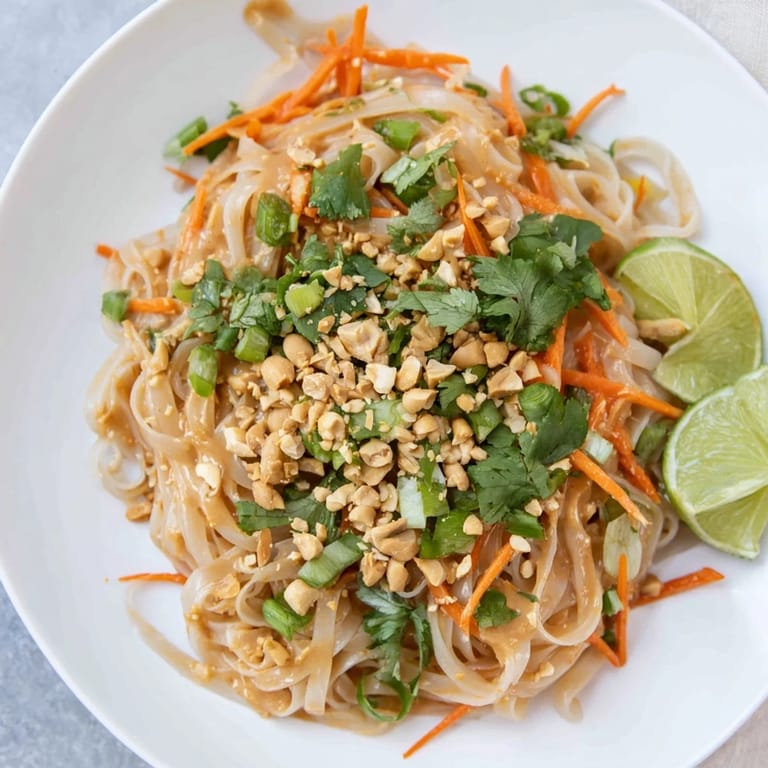
- Divide among bowls and top with scallions, peanuts, and cilantro. Serve with lime wedges and squeeze generously over each bite—that acid is essential, not optional.
 Save
Save There was this one evening when I realized my eight-year-old nephew had eaten an entire bowl without picking around anything, cilantro included, and was asking for more. That's the moment these noodles stopped being a recipe in my head and became a win I could serve with real pride.
Sauce Ratios Worth Remembering
Once you make this sauce a few times, you'll notice the core ratio: peanut butter as your base, soy sauce for salt and depth, vinegar for brightness, and honey for balance. Everything else is flavor layering. If you ever want to double the batch or swap ingredients, keep this backbone steady and you'll rarely go wrong. The warm water is what transforms paste into pourable sauce, so don't be shy about it.
Texture Matters More Than You'd Think
The secret to this tasting like something special is contrast—creamy sauce, tender noodles, crunchy vegetables, and that snap from raw carrots and bell pepper. If everything's soft, it becomes boring fast. Undercooked noodles by just thirty seconds make a difference in how they hold up to tossing and eating, and raw vegetables are non-negotiable, not a shortcut.
Ways to Make This Your Own
This recipe is a canvas, not a rulebook, which is partly why it's stayed in rotation for years. I've made it with curry paste swirled in instead of sriracha, topped it with a fried egg that breaks into the noodles, and even used leftover rotisserie chicken more times than I can count. The sauce is what ties it together, so once you're confident there, everything else is fair game.
- Add sautéed tofu, shrimp, or rotisserie chicken for protein without changing the cooking method at all.
- Experiment with different hot sauces to find your favorite heat level and flavor profile.
- Make it a grain bowl instead by serving the noodles over rice or couscous if you're low on pasta.
 Save
Save This is the kind of recipe that reminds you why cooking at home matters: something delicious, something quick, something that makes people happy. That's everything worth knowing.
Recipe Questions & Answers
- → What type of noodles work best?
Dried rice noodles or spaghetti both hold the peanut sauce well and offer a great texture for this dish.
- → How can I adjust the spiciness?
Vary the amount of sriracha or chili garlic sauce to suit your preferred heat level, starting with less and adding more gradually.
- → Are there alternative nut butters that can be used?
Yes, almond or cashew butter can replace peanut butter for a different flavor, or sunflower seed butter for nut allergies.
- → Can this dish be served cold?
Yes, after tossing the noodles with sauce and veggies, chilling it enhances the flavors for a refreshing cold noodle dish.
- → What protein options can be added?
Tofu, cooked chicken, or shrimp can be added for extra protein and variety while maintaining the dish’s flavor profile.