 Save
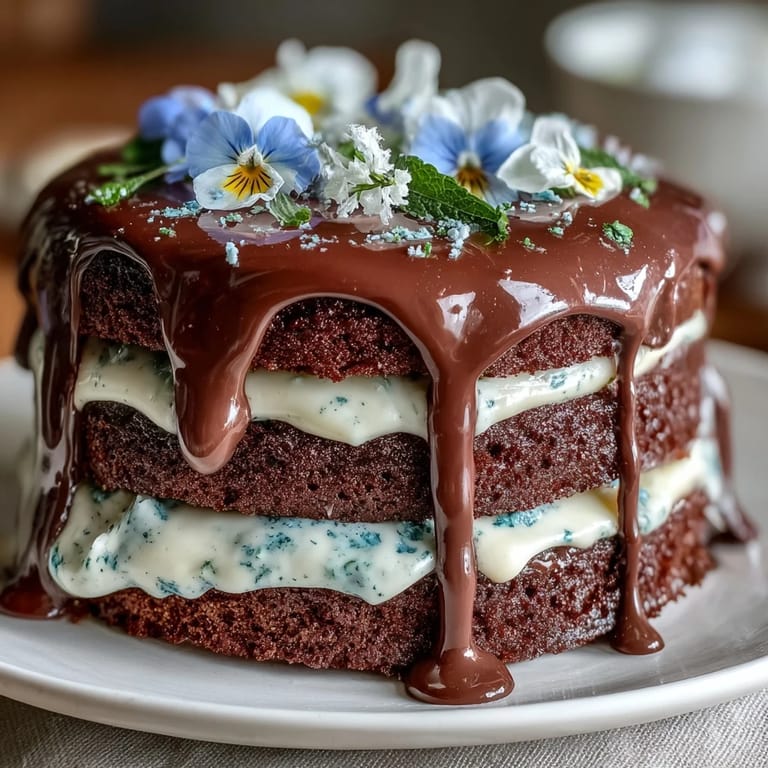
Save My sister called in a panic about her spring garden party—she needed something that would make people gasp when she carried it to the table. I'd been experimenting with lemon frostings that week, and suddenly this vision arrived: layers of tender vanilla cake, bright lemon frosting, and that dramatic white chocolate drip that looks far more complicated than it actually is. The first time I made it, I was honestly nervous about the decorative flowers, but watching them settle into the ganache felt like plating edible art.
I made this for a friend's birthday brunch last April, and something magical happened when the morning light hit those edible pansies on top. She actually teared up—not because of the cake itself, but because someone had taken the time to make something beautiful just for her. That's when I realized this recipe is really about more than flavors; it's about intention.
Ingredients
- All-purpose flour: Keep it at room temperature and measure by spooning into your cup rather than scooping directly from the bag—you'll avoid packing and end up with a lighter crumb.
- Baking powder: Double-check the expiration date; old baking powder is basically just salty flour and will leave you with dense, disappointed layers.
- Unsalted butter: For both cake and frosting, use the real thing softened to that perfect consistency where your finger leaves a slight impression but it doesn't collapse—around 70°F is ideal.
- Granulated sugar: This sweetens the cake while helping create that light, fluffy crumb structure that makes layering possible.
- Eggs at room temperature: Cold eggs won't incorporate smoothly, which means you risk ending up with a batter that looks separated and sad—set them out 30 minutes before you start.
- Vanilla extract: Use pure vanilla, not imitation; you'll taste the difference especially in a simple sponge like this.
- Whole milk at room temperature: The alternating method relies on temperature consistency to keep everything emulsified and smooth.
- Powdered sugar for frosting: Sift it before using so you don't end up beating lumps into your frosting for five minutes straight.
- Fresh lemon juice: Bottled works in a pinch, but fresh squeezed gives you that vibrant zing that people will actually comment on.
- Lemon zest: Use a microplane rather than a box grater—you'll get fine, bright flecks instead of larger pieces that feel coarse on the tongue.
- White chocolate chips: Buy the best quality you can find; cheaper white chocolate tastes waxy and won't melt as smoothly.
- Heavy cream for ganache: This is what transforms chocolate into that glossy, pourable consistency that cascades down the sides.
- Edible flowers: This is non-negotiable for safety—go to a farmer's market and ask specifically for food-safe flowers, or grow your own pesticide-free pansies and violets if you're cautious.
Tired of Takeout? 🥡
Get 10 meals you can make faster than delivery arrives. Seriously.
One email. No spam. Unsubscribe anytime.
Instructions
- Set up and prep:
- Preheat your oven and line those three round pans—don't skip this step because peeling parchment off warm cake is a special kind of frustration. Get your butter and eggs out of the fridge now if you haven't already; room temperature ingredients are genuinely non-negotiable here.
- Combine dry ingredients:
- Whisk together flour, baking powder, and salt in a bowl and set aside. This distributes the leavening evenly so you don't end up with baking powder pockets of weird flavor.
- Cream butter and sugar:
- Beat them together for a solid 3 to 4 minutes until the mixture transforms from yellow and dense to pale and almost fluffy—this is where you're incorporating air that will become lift in the oven. If you stop too early, your cake will feel more like bread.
- Add eggs carefully:
- Crack and add one egg at a time, beating well after each addition so it fully incorporates. If you dump all four in at once, they'll sort of float around in the mixture instead of getting properly absorbed.
- Mix in vanilla:
- Stir in vanilla extract, which takes about 10 seconds but smells absolutely lovely and is easy to forget.
- Alternate wet and dry:
- This is the delicate part—add roughly a third of the flour mixture, beat until just combined, then about half the milk, then another third of flour, then the rest of milk, then the final flour. Begin and end with flour so the batter emulsifies properly and you don't end up with a curdled-looking mess.
- Divide and bake:
- Divide batter evenly among pans—I use an ice cream scoop to keep things fair—and bake until a toothpick comes out clean, usually 25 to 30 minutes. The kitchen will smell absolutely incredible, which is actually not a reliable doneness indicator no matter how good it smells.
- Cool properly:
- Leave cakes in pans for 10 minutes so they're sturdy enough to handle, then turn out onto racks to cool completely. Trying to frost warm cake is asking for frosting to melt into soup.
- Make the frosting:
- Beat softened butter until creamy, then gradually add sifted powdered sugar in batches, beating until smooth and light. Once you add lemon juice, zest, and milk, taste it—you want bright and zippy, not overwhelmingly sour.
- Assemble the layers:
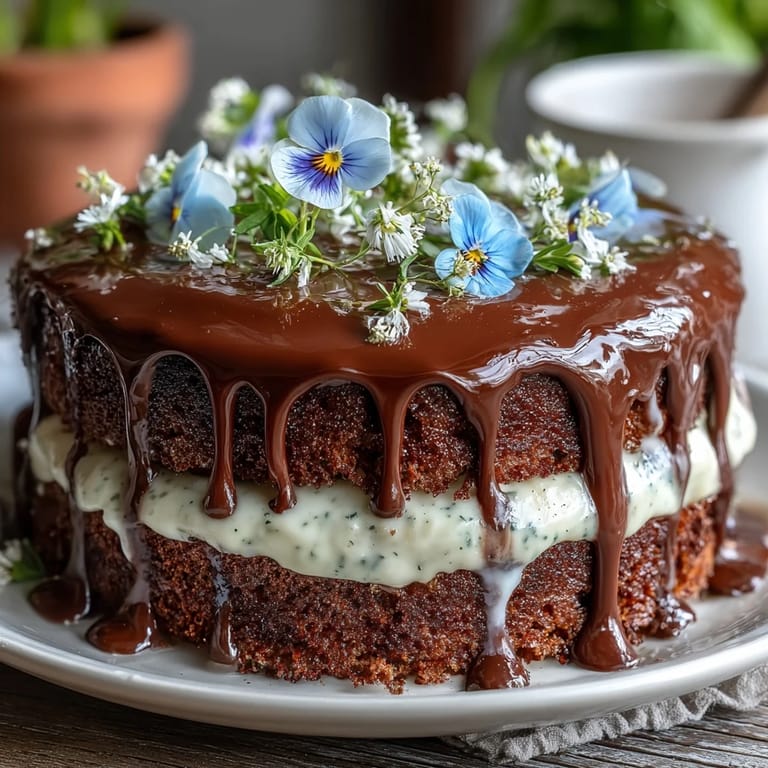
- Level your cakes with a serrated knife if needed (save the scraps for snacking), then place one layer on your serving plate and spread a generous frosting layer on top. Repeat until you've stacked all three, then frost top and sides smoothly—a bench scraper makes this easier than a knife.
- Prepare the drip:
- Heat heavy cream just until it simmers—you'll see steam and tiny bubbles forming, but not a rolling boil. Pour it over white chocolate in a heatproof bowl, let it sit for two minutes without stirring, then stir until completely smooth and glossy.
- Add color if desired:
- If you want pastel tinted drips, add gel food coloring now and stir gently. Let the ganache cool for 5 to 10 minutes until it's thickened slightly but still flows easily.
- Create the drip effect:
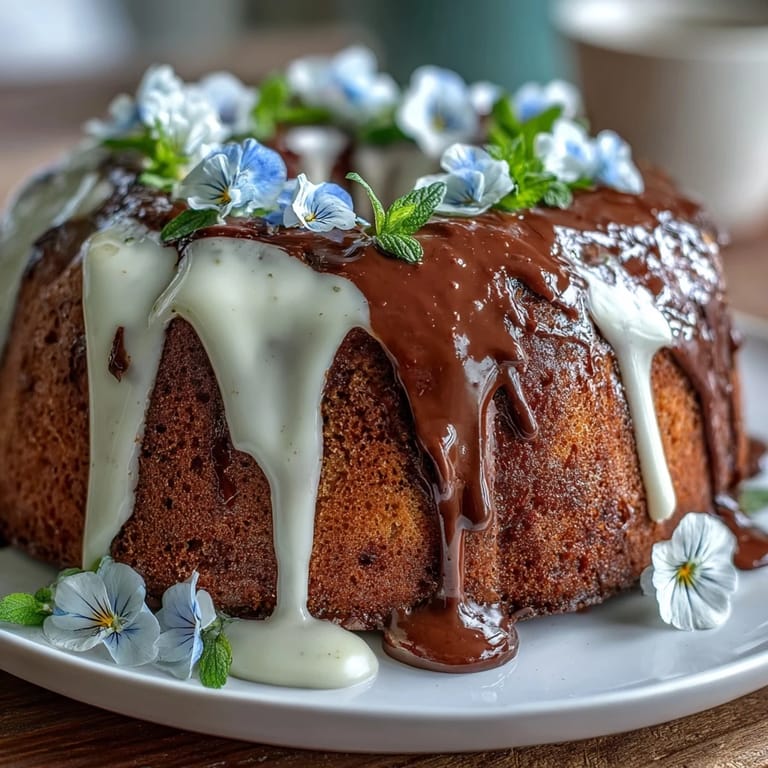
- Using a spoon or squeeze bottle, drip ganache around the edge of the cake, letting gravity do the work—those imperfect runs are actually part of the charm. Spread remaining ganache gently over the top.
- Decorate with flowers:
- Once everything has set slightly, arrange edible flowers on top and add sprinkles or extra lemon zest if you like. This is where the cake transforms from impressive to genuinely show-stopping.
 Save
Save There's something about watching someone bite into a slice and have the frosting zing hit them first, followed by that tender cake—it's a small moment, but it reminds me why I bake. This cake became my answer whenever someone asked what to bring to something special.
Making It Your Own
Once you've made this cake once, you'll notice all the places where you can play around. I've swapped the lemon frosting for cream cheese when I was in a different mood, and I've done the whole thing with rose water in the cake layers—just use a teaspoon instead of vanilla and reduce the milk slightly. The structure stays solid; it's really just a template for whatever flavor direction you're craving.
Storage and Make-Ahead Wisdom
This cake actually improves after a day in the refrigerator because the flavors settle and the frosting sets up completely. You can bake the layers up to two days ahead and wrap them individually in plastic wrap, which takes the pressure off on the day of your event. The ganache drip is honestly best applied the same day you're serving, but the assembled cake keeps beautifully for three days covered loosely in the fridge.
Perfect Pairings and Serving Suggestions
I've discovered that this cake is at its most elegant with a cold glass of sparkling wine or a proper cup of Earl Grey tea—the floral notes in both bridge beautifully with the edible flowers on top. Serve it at room temperature for the most tender crumb and the fullest lemon flavor, and let each slice sit out for about 15 minutes before plating if it's come straight from the fridge.
- The bright acidity of the lemon frosting pairs perfectly with fresh berries on the side if you want to add color without changing the flavor profile.
- This cake works equally well at a formal spring brunch or a casual backyard gathering—dress up or down depending on your crowd.
- Leftover cake makes an incredibly luxurious breakfast when you have coffee the next morning and absolutely no one else needs to know.
 Save
Save This cake has become my answer to almost every celebration worth making a fuss about. There's real joy in the process of building it, and even more in watching it become the centerpiece of a moment people remember.
Recipe Questions & Answers
- → How do I ensure the vanilla sponge is moist?
Use room temperature eggs and butter, and alternate adding the dry ingredients with milk to maintain moisture in the batter for a tender crumb.
- → What is the best way to achieve a smooth lemon frosting?
Beat softened butter until creamy, gradually add sifted powdered sugar, then lemon juice and zest for flavor. Add milk to reach a spreadable texture.
- → How should the white chocolate drip be prepared?
Heat heavy cream until just simmering, pour over white chocolate, let sit briefly, then stir until smooth. Cool to a pourable consistency before applying.
- → Are there any tips for decorating with edible flowers?
Use pesticide-free, food-safe flowers and add them just before serving to preserve freshness and vibrant colors.
- → Can this dessert be made gluten-free?
Yes, substitute all-purpose flour with an equal amount of gluten-free flour blend without affecting the texture significantly.