 Save
Save The first time I tried making this spring cake, I couldn't resist the cheerful colors and delicate fragrance rising from the pressed edible flowers. As soon as I opened the window in my kitchen, a breeze carried in the sounds of distant birds and really set the tone for a relaxed Saturday baking session. It wasn't planned—my neighbor had handed me a bag filled with homegrown pansies, and suddenly I found myself flipping through recipes for something lemony and floral. There&39;s a certain thrill in crafting a dessert that&39;s as much a feast for the eyes as for the taste buds. Even now, the thought of layering lemon curd between light sponge brings a smile to my face.
I once baked this for the first warm evening of May, when friends had gathered and we kept losing track of time chatting by candlelight. The cake became an impromptu centerpiece on the table, its gentle floral perfume almost competing with the garden outside. I still remember how my youngest niece tried to pick a pansy off and eat it before anyone else had a slice. There&39;s a satisfying pride that comes with slicing into a creation as beautiful as this, especially after hours spent assembling each edible flower. Even wiping down the counter afterward felt a little celebratory.
Ingredients
- Unsalted butter: Always start with softened butter—room temperature spreads more evenly into the sugar, yielding a fluffier sponge every time.
- Granulated sugar: Creaming it thoroughly with butter is crucial for an airy cake; don&39;t rush this step.
- Large eggs: Room temperature eggs mix smoothly and prevent curdling; set them out early.
- Vanilla extract: A splash deepens the floral notes and pairs perfectly with the lemon zest you&39;ll add later.
- All-purpose flour: Sift for best texture and to avoid lumps; I learned this after one lumpy batch.
- Baking powder: This is what gives the sponge its lift, so check it&39;s fresh for maximum rise.
- Fine sea salt: Just a little brings out the cake&39;s sweetness—never skip salt in dessert recipes.
- Whole milk: Room temperature milk integrates smoothly, preventing any batter shock and dry patches.
- Lemon zest: Use a microplane and only grate the colorful outer layer for brightest flavor.
- Eggs for curd: They carry the tang and richness in the lemon filling.
- Granulated sugar for curd: Balances out the lemon&39;s acidity; taste as you go for your perfect tang.
- Lemon juice: Freshly squeezed only—bottled just isn&39;t as vibrant.
- Lemon zest for curd: Adds nuanced aroma and extra punch to the filling.
- Unsalted butter for curd: Mix this in off the heat for a silky finish.
- Heavy cream: Chilled cream whips quicker and holds its shape when decorating.
- Powdered sugar: Dissolves easily, lending sweet stability to the whipped cream.
- Vanilla extract for whipped cream: Just a hint ties all the flavors together.
- Pressed edible flowers: Choose pansies, violets, nasturtiums, or rose petals—but make sure they&39;re organic and untainted.
Tired of Takeout? 🥡
Get 10 meals you can make faster than delivery arrives. Seriously.
One email. No spam. Unsubscribe anytime.
Instructions
- Prep Your Pans:
- Grease and line your cake pans while listening for the oven&39;s gentle preheat click—parchment guarantees an easy release.
- Creaming for Airiness:
- Work the butter and sugar until pale and fluffy; you&39;ll notice the mixture lighten both in color and texture as you go.
- Building the Batter:
- Incorporate the eggs one by one, then swirl in vanilla and lemon zest for a fragrance that feels like spring morning.
- Dry Meets Wet:
- Add flour, baking powder, and salt in stages, taking turns with milk—slow down and relish how the batter turns silky.
- Baking to Perfection:
- Divide batter evenly and bake; your kitchen will carry hints of lemon as the cakes rise and form golden tops.
- Lemon Curd Magic:
- Whisk eggs, sugar, juice, and zest over gentle heat until thickened—watch closely, as it&39;s ready when it coats the back of a spoon; finish with butter and let cool.
- Whipped Cream Whirl:
- Beat chilled cream, sugar, and vanilla until stiff peaks emerge; this step feels almost meditative next to the lively cake assembly ahead.
- Layer and Fill:
- Set one sponge on your plate, spread lemon curd generously, and crown with the second layer.
- Frost and Decorate:
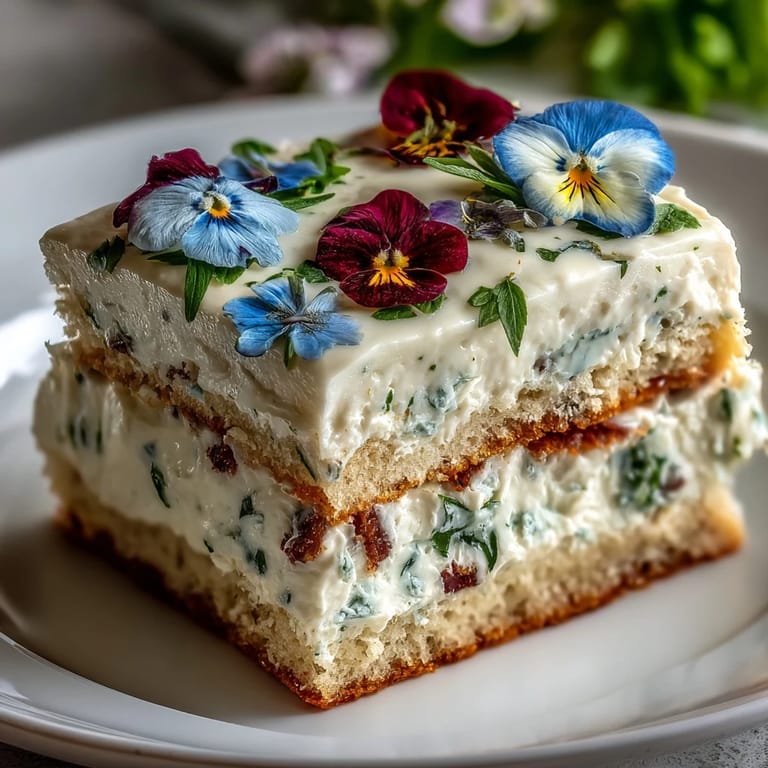
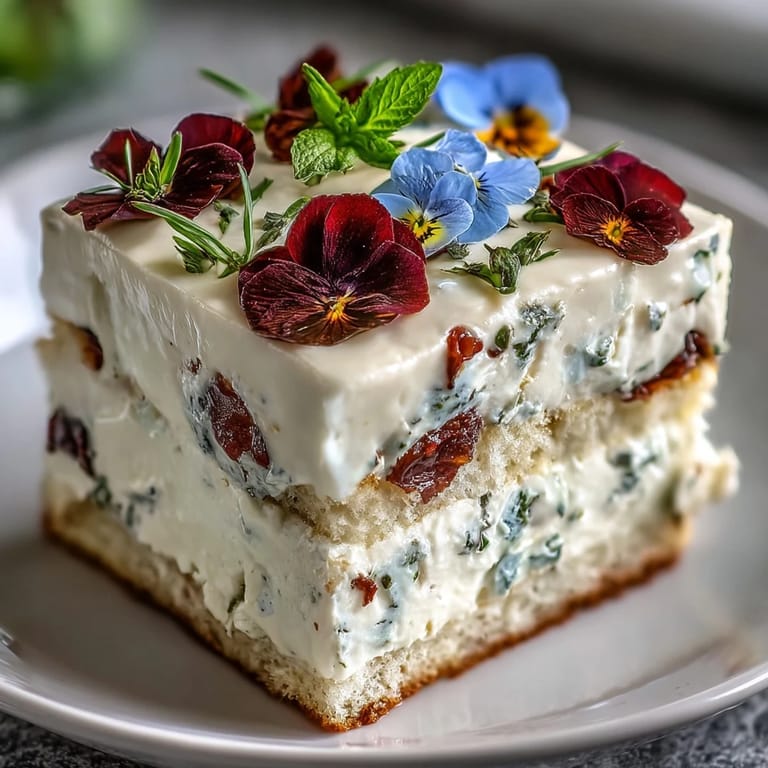
- Sweep whipped cream over the top and sides, then gently lay pressed edible flowers in graceful patterns—pressing softly so they adhere without breaking.
- Chill Before Serving:
- Let the cake rest for at least half an hour—this helps flavors meld as the whipped cream and decorations set their shape.
 Save
Save Watching the whole family gather and quietly marvel at the floral cake, I realized food sometimes feels like a little piece of celebration—more than just dessert, it&39;s a centerpiece for laughter and shared stories. I love how the cake&39;s gentle lemon aroma invites everyone to reach for a slice, as if spring itself landed on the table.
Choosing and Preparing Edible Flowers
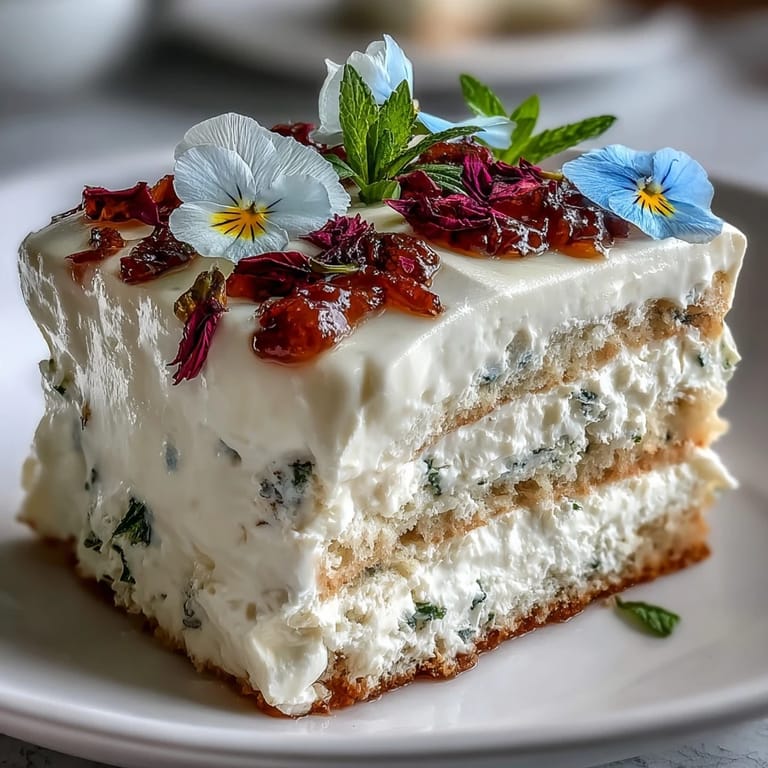
One thing I learned: picking edible flowers is an adventure in itself. Always check with a trusted source or local grower, and avoid anything treated with chemicals or grown by roadsides. Pressing the flowers ahead of time—between sheets of parchment under a heavy book—ensures they dry flat and stick neatly to the frosting. Violets and pansies retain their color best, but even rose petals add a delicate flair when gently pressed. The process is a bit like art class in the kitchen, so don&39;t worry if a petal tears—you can layer or tuck it in for texture.
Cakes Ahead of Time
Baking the sponge layers a day early really changed how calm I felt when assembling this cake. Wrapped well in plastic wrap or stored in a tin, they keep their moisture and save you from last-minute stress. If you need extra lemon punch, lightly brush the cooled layers with lemon syrup—this trick makes the cake tangier and brighter. Assembly becomes so much smoother when you&39;re not worrying about cooling times. Plus, you get a bonus half hour to chat or prep tea while the layers rest.
Making Lemon Curd Like a Pro
Lemon curd felt intimidating until I realized the whisking is half the battle—steady and patient wins the race. Melt the butter in at the end for the glossiest finish, and always strain the curd if it&39;s the least bit lumpy. It&39;s amazing how much brighter homemade tastes compared to jarred. If you end up with extra, save it for spooning over fruit.
- Make sure your lemons are at room temperature for easier juicing.
- Have a clean jar ready for any leftover curd—it&39;s great for toast.
- Let the curd cool completely before layering in the cake or it will melt the filling.
 Save
Save I hope your kitchen feels as joyful and inspired as mine did the day I made this cake for friends—sometimes a little flower and lemon sunshine on your table makes all the difference. Let your creativity shine and enjoy every slice!
Recipe Questions & Answers
- → How do I ensure edible flowers are safe?
Choose organically grown flowers confirmed edible, avoiding any treated with pesticides.
- → Can cake layers be made in advance?
Cake layers can be baked a day ahead and stored wrapped at room temperature to save time.
- → How is lemon curd prepared?
Lemon curd is made by gently cooking eggs, sugar, lemon juice, and zest over simmering water until thickened.
- → What decorating tips help with flowers?
Press flowers gently onto the whipped cream and chill the cake to set decorations firmly before serving.
- → What pairs well with this dessert?
Serve with Earl Grey tea or sparkling Moscato to enhance floral and citrus flavors.
- → Are there allergy concerns?
This dessert contains eggs, dairy, and wheat. Always check flower sources for safety and allergens.