 Save
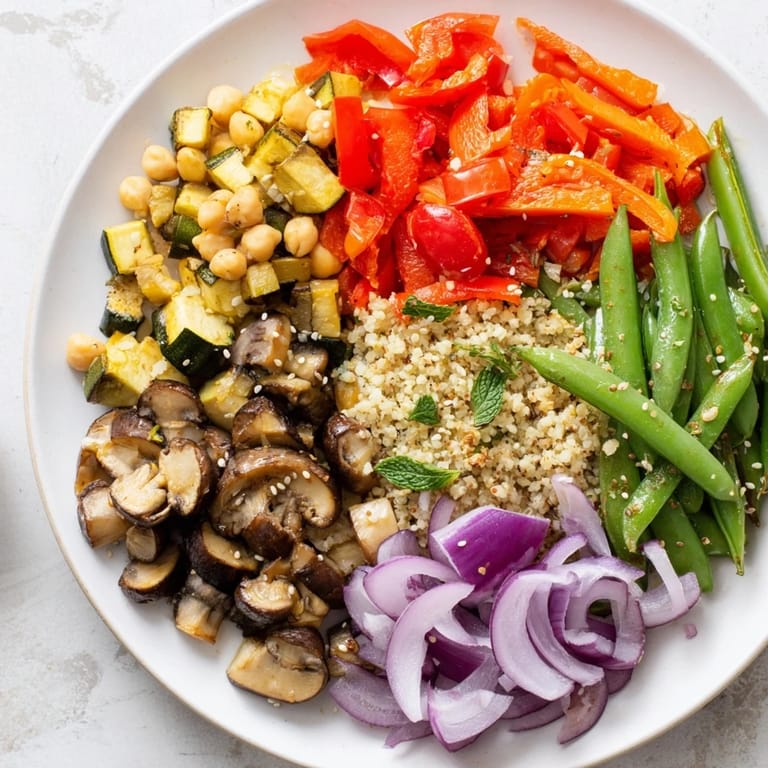
Save I stumbled onto this dish during a chaotic dinner party when I realized I'd invited friends from three different corners of the world but only had vegetables in my fridge. Instead of panicking, I decided to cook what each of them might recognize—Mediterranean flavors in one pan, Asian in another, Middle Eastern in the third. The moment I set down that platter and watched their faces light up as they discovered their own culinary heritage on the same plate, I knew I'd created something special. It's become my favorite way to cook when I want to celebrate flavors without choosing just one.
There's a quiet magic in that moment when the three pans are all sizzling at once—the sesame oil's nutty aroma mixing with oregano and cumin, filling the whole kitchen with something impossible to describe with just one word. I remember my grandmother watching me cook this years ago and saying it reminded her of traveling, even though she was standing in my kitchen. That's when I realized this dish isn't really about fusion or technique—it's about creating a moment where people can taste the world without leaving the table.
Ingredients
- Extra-virgin olive oil (3 tbsp total): Use the good stuff—you'll taste the difference in both the Mediterranean and Middle Eastern clusters, and it brings a silky richness to the eggplant.
- Eggplant (1 medium, diced): Cut into consistent pieces so they cook evenly; they'll soften into something almost buttery if you give them time.
- Red bell pepper (1, chopped): The slight sweetness balances the earthiness of the eggplant beautifully.
- Zucchini (1 small, sliced): Don't overcook or it becomes mushy—aim for tender but still holding its shape.
- Cherry tomatoes (1/2 cup, halved): They burst into a light sauce that ties the Mediterranean cluster together.
- Garlic (2 cloves, minced): Add it last in the Mediterranean pan so it doesn't burn and turn bitter.
- Dried oregano (1 tsp): This is non-negotiable for authentic Mediterranean flavor.
- Toasted sesame oil (1 tbsp): A little goes a long way—it's peppery and intense, which is exactly what you want for the Asian cluster.
- Shiitake mushrooms (1 cup, sliced): They develop a deep umami when they hit the hot pan; don't crowd them or they'll steam instead of caramelize.
- Snap peas (1 cup, trimmed): These stay crisp and sweet if you don't overcook them past 2 minutes.
- Carrot (1 medium, julienned): Thin cuts mean they cook quickly and stay vibrant.
- Soy sauce or tamari (1 tbsp): Tamari works if you need gluten-free, and it's slightly deeper in flavor anyway.
- Ginger (1 tsp, grated): Fresh ginger adds warmth and a subtle bite that transforms the whole cluster.
- Rice vinegar (1 tsp): Just enough acid to brighten everything without overwhelming.
- Red onion (1 small, thinly sliced): It softens into something almost sweet, and its color adds visual drama.
- Cooked chickpeas (1 cup): If you're using canned, rinse them well to remove excess sodium.
- Bulgur or quinoa (1/2 cup cooked): Quinoa is easier if you need gluten-free, but bulgur has a nuttier, more traditional Middle Eastern taste.
- Ground cumin, coriander, and cinnamon (1 tsp, 1/2 tsp, and 1/4 tsp respectively): These three spices work together to create warmth and complexity that feels almost mysterious.
- Fresh parsley (2 tbsp, chopped): It brightens the whole cluster at the end.
- Lemon juice (1/2 lemon): Fresh is crucial—bottled will flatten all your spice work.
- Feta cheese (1/4 cup crumbled, optional): If you use it, add just before serving so it stays creamy.
- Toasted sesame seeds (2 tbsp): They add crunch and a nutty finish that's impossible to skip.
- Fresh mint or cilantro: Use whichever speaks to you, or mix both for complexity.
Tired of Takeout? 🥡
Get 10 meals you can make faster than delivery arrives. Seriously.
One email. No spam. Unsubscribe anytime.
Instructions
- Mise en place like you mean it:
- Chop everything before you turn on a single burner—this dish moves fast once the heat's on. Set out three large skillets on the stovetop so you can work simultaneously without feeling rushed.
- Start the Mediterranean cluster:
- Heat olive oil in the first skillet over medium heat. The oil should shimmer but not smoke; add the diced eggplant and let it sit for about 3 minutes until the edges start to turn golden. Then add the bell pepper, zucchini, and cherry tomatoes.
- Season and simmer the Mediterranean::
- Sprinkle in oregano, salt, and pepper. Stir occasionally and let everything soften together for 8-10 minutes—you want the vegetables tender and the kitchen filled with that familiar, comforting aroma.
- Awaken the Asian cluster:
- While the Mediterranean is cooking, get your sesame oil hot in the second skillet over medium-high heat. Add the mushrooms first and let them sit undisturbed for about 2 minutes so they develop a light golden edge.
- Build the Asian flavor:
- Add snap peas and carrot julienne, stirring gently for 2 minutes. Then pour in the soy sauce, ginger, and rice vinegar—the pan will fill with that distinctive, bright Asian aroma. Cook for another 2-3 minutes until everything is crisp-tender, then move it off the heat.
- Begin the Middle Eastern cluster:
- Heat olive oil in the third skillet over medium heat. Slice your red onion thinly and add it to the warm oil, letting it soften for about 3 minutes until it turns translucent at the edges.
- Layer the Middle Eastern spices:
- Add the cooked chickpeas, bulgur or quinoa, and those three crucial spices—cumin, coriander, and cinnamon. Stir constantly for about 5 minutes so the spices toast slightly and wake up. Everything should smell warm and inviting.
- Finish the Middle Eastern cluster:
- Remove from heat and toss everything with fresh parsley and lemon juice. Taste and adjust salt and pepper—this is your chance to make it sing exactly how you like it.
- Bring it all together:
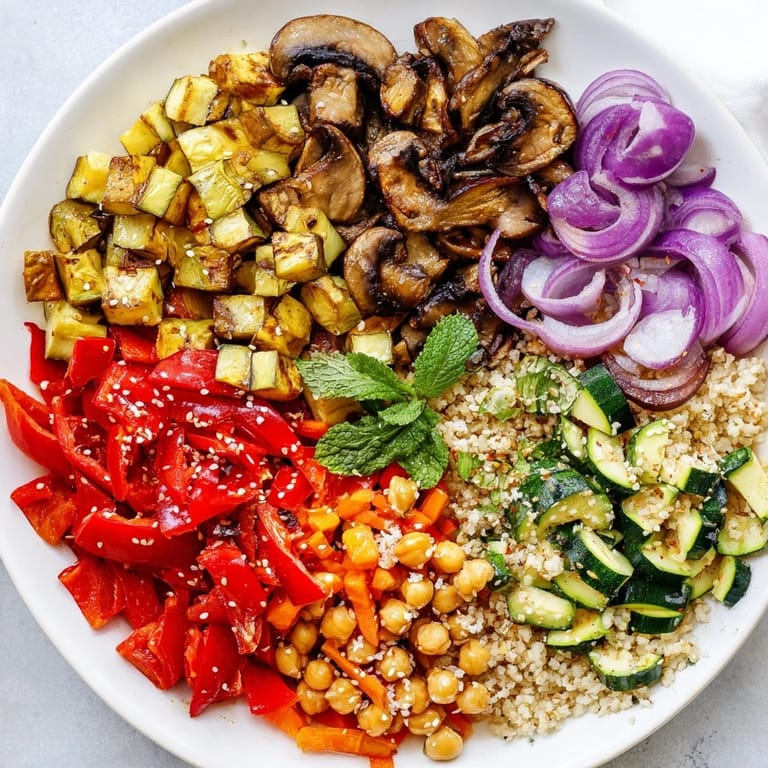
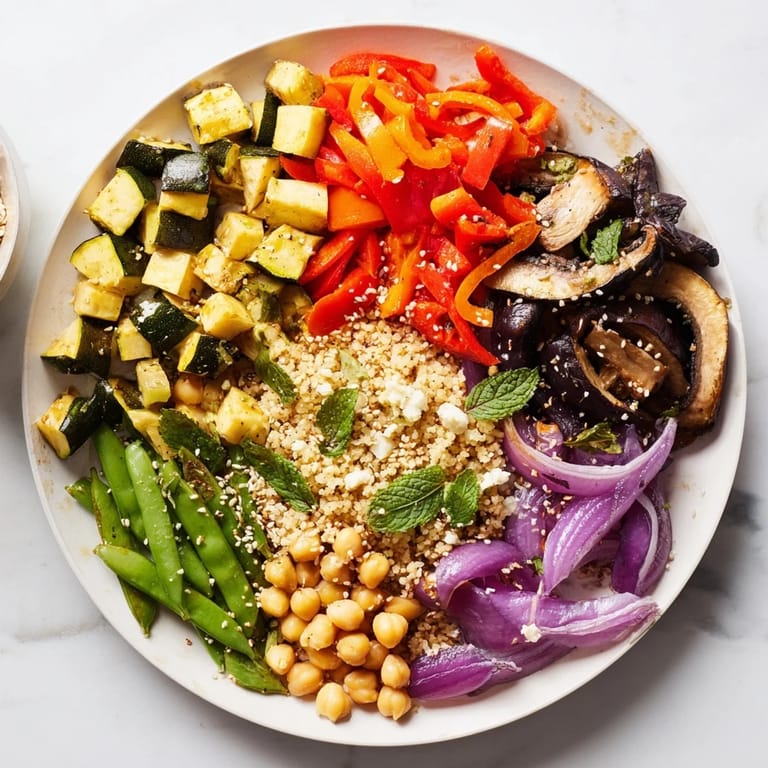
- Arrange the three clusters side by side on a large platter or divide among individual plates. Top with sesame seeds, crumbled feta if using, and fresh herbs—the presentation is part of the joy.
- Serve and celebrate:
- Encourage everyone to mix and match, creating their own combinations, or try each cluster pure first to taste the distinct identity of each region.
 Save
Save I'll never forget the night a friend who grew up in Lebanon said, 'You got the cumin right,' and I realized how much that simple spice choice mattered. That moment taught me that cooking across cultures isn't about being perfect—it's about showing respect through care and attention to flavor.
Why This Dish Became My Go-To
There's something liberating about cooking three completely different flavor profiles at once, knowing they'll look beautiful together but taste entirely independent. It takes the pressure off—there's no single 'right' way to eat it, no wrong combination. I've had friends who refused to mix anything, eating each cluster separately like three distinct meals, and I've had others who created wild flavor mashups. Both made them happy, and that's exactly the point.
The Art of Timing
The real trick is understanding that these three clusters finish at almost exactly the same time if you start the Mediterranean first, then the Asian cluster about halfway through, then the Middle Eastern last. It feels like a small choreography, and once you've done it once, it becomes intuitive. You'll develop a feel for how the kitchen smells when everything's ready—that's better than any timer.
Flexibility Without Losing the Soul
This dish thrives on adaptation because the structure is what matters, not the specific vegetables. Swap eggplant for fennel in the Mediterranean cluster, add broccoli or bok choy to the Asian side, use white beans instead of chickpeas in the Middle Eastern portion. The personalities remain even as the ingredients shift with seasons and availability.
- Protein works best added to individual clusters rather than mixed throughout, so people can choose their preference.
- If you're making this ahead, cook the clusters separately, cool them, and reheat gently just before serving.
- Wine pairings work best if you choose one that bridges flavors—a crisp Sauvignon Blanc or a light Pinot Noir lets each cluster shine without overwhelming.
 Save
Save This is the kind of meal that reminds you why cooking matters—not because it's complicated, but because it brings pieces of the world together on one table. Make it, share it, and watch what happens.
Recipe Questions & Answers
- → How are the different flavor clusters prepared?
Each cluster is cooked separately in its own skillet to preserve individual flavors. Vegetables and spices specific to each cuisine are sautéed until tender and aromatic.
- → Can I add protein to the dish?
Yes, grilled chicken, tofu, or lamb can be added to any cluster for extra protein, accommodating different dietary preferences.
- → What are some suitable serving suggestions?
Serve the clusters warm with flatbread or steamed rice to create a heartier meal that complements the diverse flavors.
- → Are there any allergen considerations?
The dish contains soy, wheat (from bulgur), dairy (optional feta), and sesame. Gluten-free options are available using quinoa and tamari.
- → How do I achieve the best balance of spices?
Use the recommended amounts of oregano, cumin, coriander, and cinnamon in the clusters, adjusting to taste while cooking to maintain aroma and harmony.
- → Can I make this dish vegan?
Yes, simply omit the feta cheese and ensure soy sauce is replaced with tamari for gluten-free and vegan-friendly preparation.