 Save
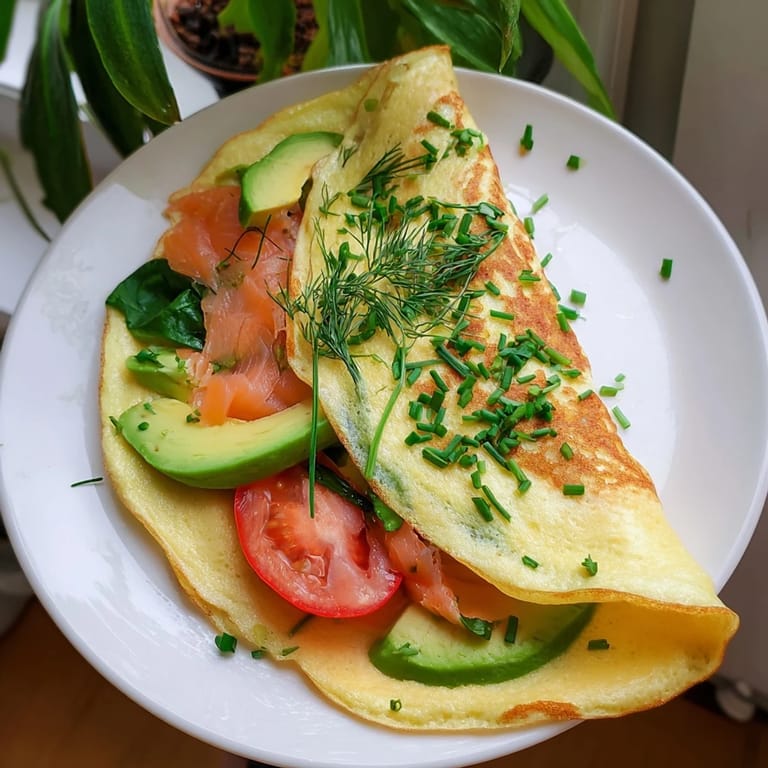
Save I discovered egg crepes by accident one morning when I was out of flour and determined to make something more interesting than scrambled eggs. A friend had mentioned blending eggs until frothy, and I was skeptical—but the moment that pale, cloud-like mixture hit the hot pan, it transformed into something delicate and elegant. Now I make them constantly, often with whatever I find in the fridge, and they've become my go-to when I need something quick that still feels intentional.
The first time I served these to guests, I was nervous—egg crepes sounded too simple, almost too honest. But watching someone wrap one around smoked salmon and avocado, then take that first bite with genuine surprise, reminded me that sometimes the best food isn't complicated, just thoughtfully made. Now friends ask me to make them whenever they visit.
Ingredients
- Eggs: Four large ones are the foundation—they need enough body to hold together but stay tender, which is why the blending matters so much.
- Water or milk: Just two tablespoons thin the mixture to crepe consistency without making it rubbery or too rich.
- Salt and black pepper: A pinch of each wakes up the eggs' subtle flavor in a way you wouldn't expect.
- Olive oil or butter: A teaspoon is enough to prevent sticking while keeping the crepe delicate rather than crispy.
- Baby spinach: Wilts into soft folds and adds earthiness without overwhelming the egg's gentle taste.
- Smoked salmon or cooked ham: Either one brings salty depth that makes the whole thing feel complete.
- Feta or shredded cheese: Crumbles add texture and tang, though you can skip this entirely if you prefer dairy-free.
- Tomato: Sliced thin, it brings brightness and prevents the wrap from feeling too heavy.
- Avocado: Half a ripe one is luxurious and creamy without needing butter or cream in the crepe itself.
- Fresh herbs: Chives, dill, or parsley scattered on top transform simplicity into something restaurant-quality.
Tired of Takeout? 🥡
Get 10 meals you can make faster than delivery arrives. Seriously.
One email. No spam. Unsubscribe anytime.
Instructions
- Blend until frothy:
- Crack your eggs into the blender with water or milk, salt, and pepper. Run it on high for 30 to 45 seconds—you're looking for a pale, almost mousse-like texture that's visibly airy. This is what makes the crepe tender instead of dense.
- Heat your pan:
- Use a non-stick skillet over medium heat and brush it lightly with oil or butter. You want it hot enough that a drop of batter sizzles, but not smoking.
- Pour and tilt:
- Pour half the egg mixture into the center of the pan and immediately tilt in all directions—think of it as guiding the batter gently rather than fighting it. You're aiming for a thin, even layer.
- Cook the first side:
- After 1 to 2 minutes, the edges should release easily from the pan and the bottom should look set. This is when you flip—a quick confident motion with a spatula works best.
- Finish cooking:
- The second side needs only 30 seconds, just enough to set it through without toughening. Transfer to a plate and repeat with the remaining batter.
- Assemble your wraps:
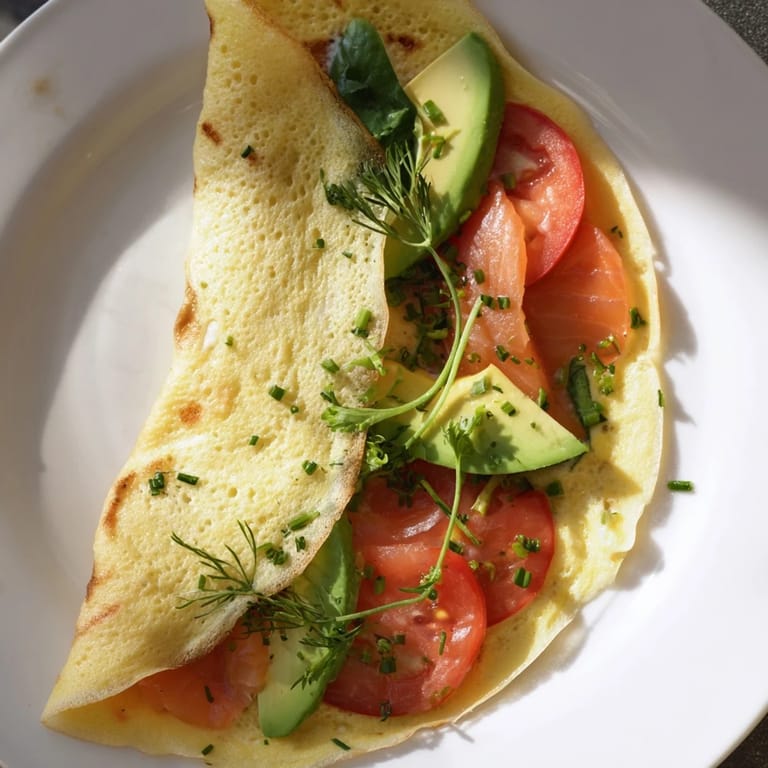
- Lay a crepe flat, arrange your chosen fillings in a line down the center, then fold or roll it up gently. Serve right away while it's still warm.
 Save
Save There's a quiet magic in how quickly this comes together once you understand it. I was making crepes on a Tuesday morning before work, moving almost without thinking, and I realized I'd built a small ritual that felt both nourishing and timeless.
Why This Works for Every Situation
Egg crepes are genuinely adaptable in a way that most breakfast foods aren't. Savory or sweet, packed or minimal, they respond well to whatever you're in the mood for or whatever your pantry offers. I've made them with canned tuna and capers, with berries and honey, with leftover roasted vegetables—and every version felt intentional, never like I was making do.
The Blending Secret
Once I understood that the blender does the real work, everything else became easier. The froth you create is what keeps the crepe from being dense or eggy-tasting; it's also what makes them look more delicate than they actually are. This is also why a regular blender works better than a hand mixer—you get more volume and a finer, more stable foam.
Building Your Perfect Wrap
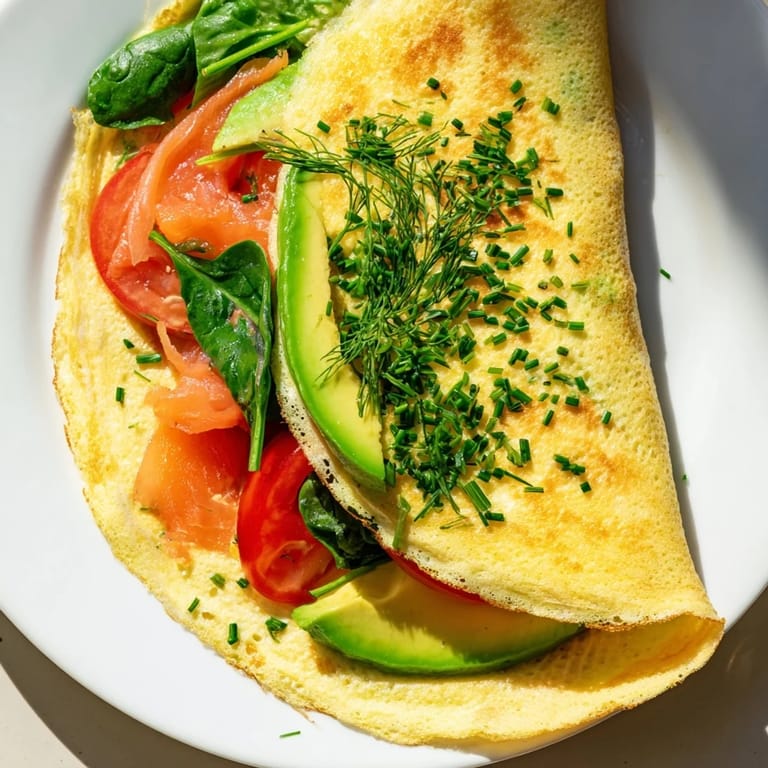
The joy of this recipe is choosing what goes inside, but a few patterns emerge after making them a few times. Keep fillings relatively thin so they don't fall out when you fold, balance rich ingredients like cheese or avocado with something bright like tomato or fresh herbs, and never overload the center or the whole thing becomes awkward to eat.
- Arrange fillings in a single line rather than scattered, which makes folding clean and keeps everything contained.
- If you're meal-prepping, make the plain crepes ahead and store them between parchment paper—fillings go in just before eating.
- Cold fillings work fine, but warming the crepe itself matters; it keeps everything tender and the flavors feel more connected.
 Save
Save This is the kind of recipe that grows with you as you make it—simple enough to not be precious about, but flexible enough to become something genuinely your own. Once you've made it a few times, you'll find yourself reaching for it on those mornings when you want something that feels like more than breakfast.
Recipe Questions & Answers
- → How do I make the egg mixture frothy?
Blend eggs with water or milk on high speed for 30–45 seconds until the mixture becomes very frothy and airy.
- → What type of skillet is best for cooking these crepes?
Use a non-stick skillet to ensure even cooking and easy flipping of the delicate egg crepes.
- → Can I customize the fillings?
Absolutely! Fillings like spinach, smoked salmon, feta, tomato, or avocado work well, and you can mix savory or sweet options.
- → How thin should the crepes be cooked?
Pour enough egg mixture to coat the skillet in a thin, even layer about 1-2 minutes until edges lift easily and the bottom is set.
- → Are there any suggested enhancements for flavor?
Adding fresh herbs such as chives, dill, or parsley to fillings or a pinch of spices to the egg blend can boost flavor.
- → Is this suitable for gluten-free or low-carb diets?
Yes, with the base made purely from eggs, this wrap fits gluten-free and low-carb needs depending on fillings chosen.