 Save
Save My neighbor showed up at my door one spring morning with a basket overflowing with dandelion greens, insisting I had to try making pesto with them instead of basil. I was skeptical—weren't dandelions weeds?—but she laughed and said that's exactly why they tasted so good, with a bite that regular herbs couldn't match. That first batch changed how I thought about what belonged in a blender, and now I can't imagine summer without a jar of this vibrant green sauce in my fridge.
I made this for my book club once, spreading it thick on crostini before anyone arrived, and the conversation that night kept circling back to what was in it—nobody could quite place the flavor until I told them about the dandelions. There's something about eating something foraged that makes a meal feel intentional, like you're connected to the seasons in a way that grocery store basil never quite manages.
Ingredients
- Fresh dandelion greens: The star of this pesto, bringing a grassy, slightly bitter complexity that feels both sophisticated and earthy—look for younger leaves in spring for a gentler bite, or blanch tougher mature greens if needed.
- Fresh basil leaves: A optional softener that rounds out the dandelion's boldness, helping if you're new to the flavor or cooking for someone cautious.
- Pine nuts, toasted: Those buttery little morsels that toast quickly and turn nutty, adding richness and body to every spoonful you eat straight from the jar.
- Freshly grated Parmesan cheese: Sharp and salty, it anchors the pesto and makes it feel luxurious rather than just green and virtuous.
- Garlic cloves: Keep them raw and let the food processor do the work; they'll distribute evenly and punch through with just the right amount of bite.
- Extra-virgin olive oil: The backbone that brings everything into harmony, so choose one you'd actually drink, because you'll taste every drop.
- Lemon juice: A squeeze that brightens the whole thing, preventing it from feeling heavy and adding a little sunshine to the bowl.
- Kosher salt and black pepper: The final adjustments that let your own taste buds have the last word.
Tired of Takeout? 🥡
Get 10 meals you can make faster than delivery arrives. Seriously.
One email. No spam. Unsubscribe anytime.
Instructions
- Toast the pine nuts until they sing:
- Heat a dry skillet over medium and add your pine nuts, shaking the pan frequently for two to three minutes until the smell hits you—that golden, almost vanilla-like fragrance. Let them cool for just a moment so they don't get bitter in the processor.
- Pulse the greens and aromatics together:
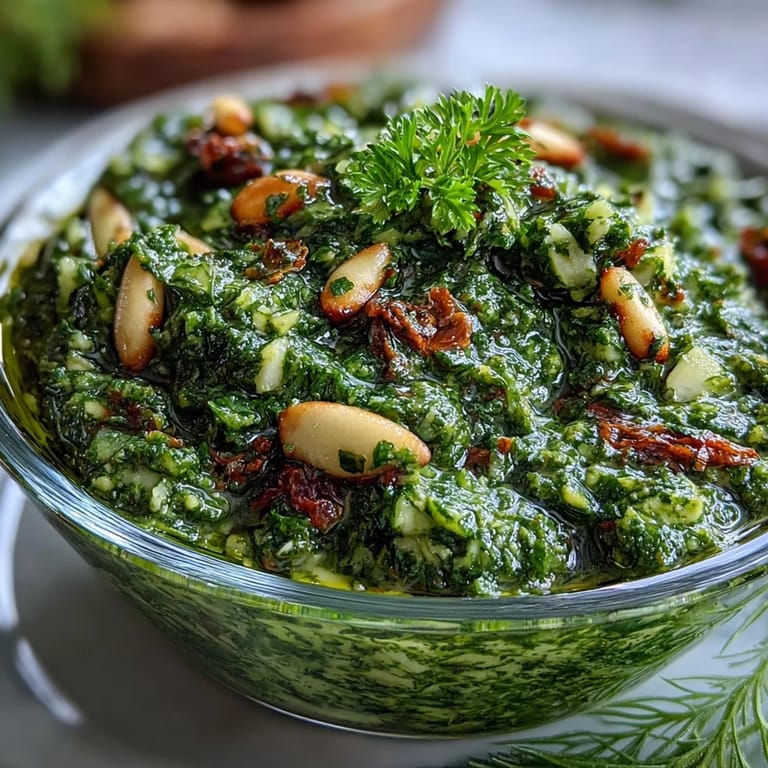
- Add your dandelion greens, basil if you're using it, garlic, toasted pine nuts, and cheese to the food processor and pulse until everything looks finely chopped and ready to become something greater. You want texture here, not a purée.
- Stream in the oil and lemon like you're conducting:
- Keep the processor running and pour the olive oil in slowly, steadily, watching how the mixture transforms from chunky to creamy as it emulsifies. Add the lemon juice at the same time, letting it all integrate.
- Season and taste your way to perfect:
- Pulse in the salt and pepper, then taste a tiny bit on your finger—this is where you become the chef, adjusting until it sings for your palate. If it needs more lemon brightness or salt depth, keep tasting and tweaking.
- Jar it and store with care:
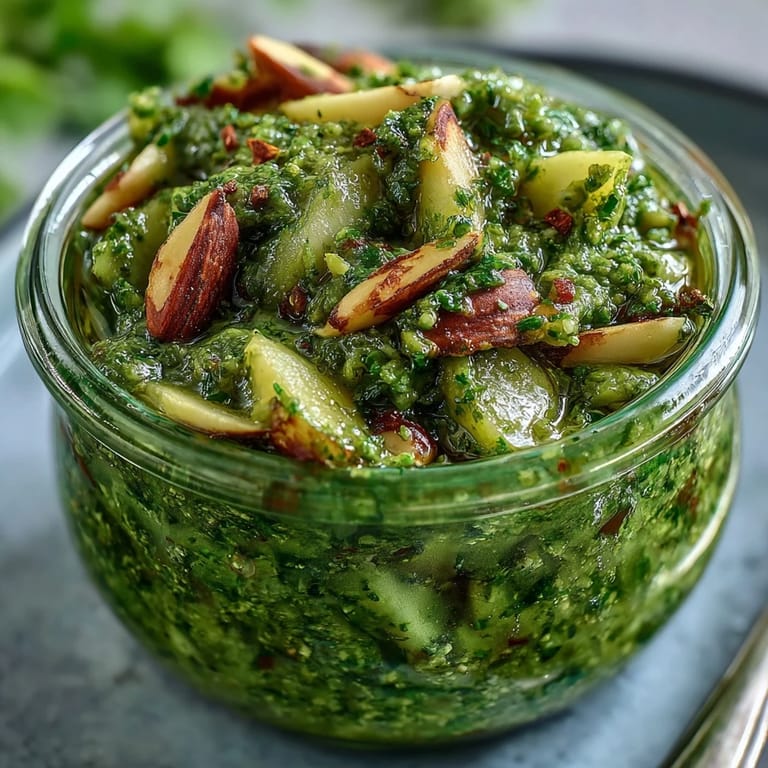
- Transfer everything to a clean jar, smooth the top with the back of a spoon, and refrigerate covered for up to a week. The flavor actually gets more sophisticated as it sits.
 Save
Save My mother tasted this pesto on pasta one evening and started telling stories about her grandmother picking wild greens during hard times, how the yard became a pantry when money was tight. That night, this simple sauce became a bridge across generations, a way of saying that resourcefulness and good eating have always been connected in our family.
When to Make This Pesto
Spring is the obvious answer, when dandelions are tender and enthusiastic in every lawn and garden bed, but I've made this in summer too with slightly hardier greens. The key is freshness—if your dandelion greens are crisp and perky when you buy or pick them, that's when you should make this sauce, ideally the same day or the next morning.
How This Sauce Transforms Everything
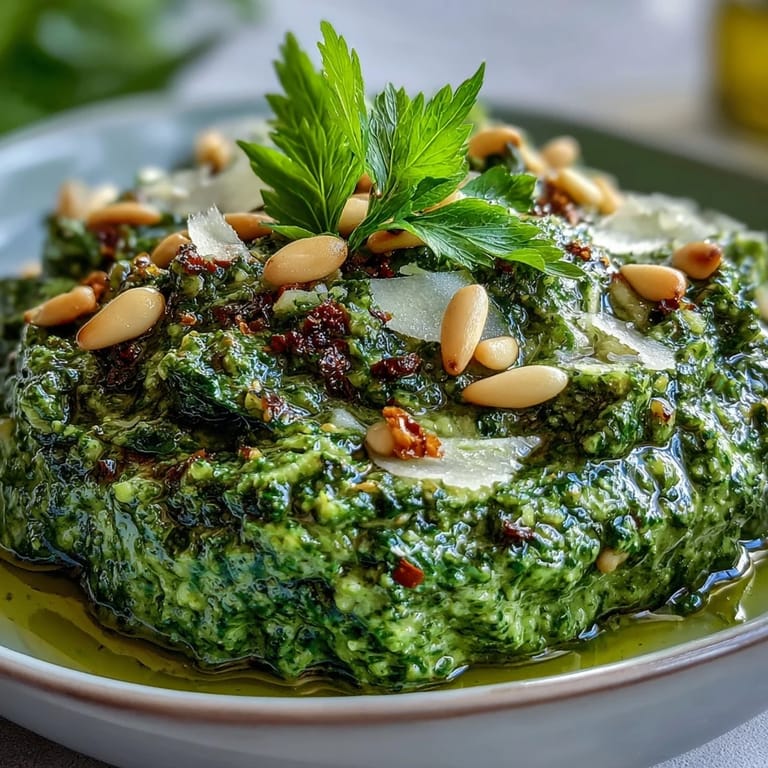
Toss a spoonful with warm pasta and feel it coat each strand with earthy richness, or spread it thick on sourdough toast as a foundation for a late lunch. I've swirled it into soup, dolloped it on grilled fish, and even mixed it into cream cheese for a vegetable dip that made my guests stop mid-conversation and ask what the secret ingredient was.
Storage and Substitutions That Actually Work
This pesto keeps in the fridge for about a week, though I've never had any last that long—it just gets better as the flavors marry. For variations, walnuts or almonds swap in beautifully if pine nuts feel too fancy or expensive, and a vegan version simply means leaving out the cheese or using nutritional yeast instead.
- If you can't find fresh dandelion greens, young arugula mixed with spinach gives a similar peppery-but-milder effect.
- A jar of this in your fridge means you're always three minutes away from an impressive meal, whether it's pasta night or just toast and good intentions.
- Make extra and freeze it in ice cube trays for moments when you need a quick hit of spring in the dead of winter.
 Save
Save This pesto turned me into someone who looks forward to dandelion season the way others wait for strawberries, and I hope it does the same for you. Make it, taste it, and let it remind you that sometimes the best flavors are growing right outside your door.
Recipe Questions & Answers
- → Can I substitute the pine nuts with other nuts?
Yes, walnuts or almonds can be used as alternatives, offering a different texture and flavor profile while maintaining richness.
- → How can I reduce bitterness from the dandelion greens?
Blanching the greens briefly in boiling water and then cooling them helps mellow their natural bitterness before blending.
- → Is it necessary to use Parmesan cheese?
While Parmesan adds sharpness, you can omit it for a dairy-free version or substitute with nutritional yeast for a similar umami note.
- → What dishes pair well with this pesto?
This pesto complements pastas, toasted bread, roasted vegetables, or serves as a flavorful dip, adding fresh herbal brightness.
- → How should I store leftovers?
Store in an airtight container in the refrigerator for up to one week, ensuring flavors remain fresh and vibrant.