 Save
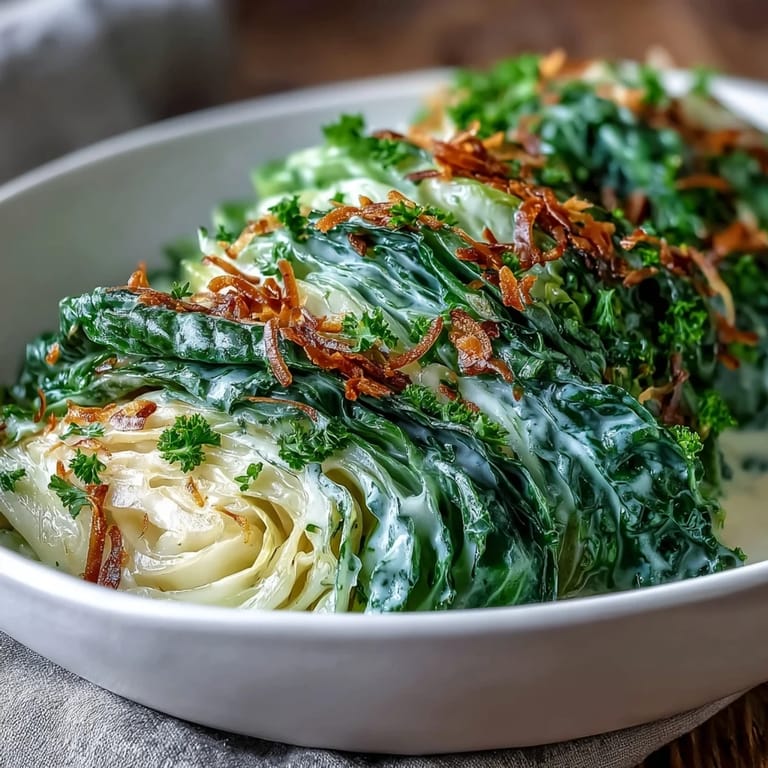
Save There's something almost meditative about watching cabbage transform in a pan of coconut milk, the kitchen filling with the warmth of turmeric and cumin while something humble becomes genuinely luxurious. I discovered this dish on a quiet Tuesday evening when I had leftover coconut milk and a head of cabbage that needed rescuing, and what emerged was so velvety and rich that it completely changed how I think about side dishes. The spices whisper rather than shout, and the coconut creates this silky sauce that makes even the simplest weeknight dinner feel intentional.
I made this for a dinner party where my usually adventurous friends were skeptical about braised cabbage, but by the second bite everyone was asking for the recipe and scraping their plates clean. That moment when someone's expression shifts from polite to genuinely impressed is worth every minute of prep, and this dish delivers that reliably. Now it shows up on our table whenever we need something that feels special but doesn't demand hours in the kitchen.
Ingredients
- 1 medium green cabbage (about 900 g), cored and thinly sliced: The thinner you slice it, the faster it becomes silky and the better it absorbs the coconut sauce—use a sharp chef's knife or mandoline if you have one.
- 1 medium yellow onion, thinly sliced: Sweet onions build the flavor foundation and soften into the sauce beautifully.
- 2 cloves garlic, minced: Adds depth without overpowering the delicate spice blend.
- 1-inch piece fresh ginger, grated: Fresh ginger brings brightness and a subtle heat that works with the turmeric and cumin.
- 1 tsp ground turmeric: This is the star spice—earthy, slightly bitter, and responsible for the golden color that makes the dish look intentional.
- 1 tsp ground cumin: Warm and nutty, it bridges the gap between the coconut and the spices.
- 1/2 tsp chili flakes (optional, adjust to taste): A whisper of heat that you can increase or skip entirely based on your mood.
- 1/2 tsp black pepper: Rounds out the spice profile and adds complexity.
- 3/4 tsp fine sea salt (plus more to taste): Start with this amount and taste as you go—you may need more depending on your broth.
- 400 ml (1 can) full-fat coconut milk: The entire can, not the light version—this is what creates the silky, luxurious sauce.
- 120 ml (1/2 cup) vegetable broth or water: This keeps the sauce from becoming too thick while letting the coconut flavor shine.
- 1 tbsp coconut oil or neutral oil: Coconut oil adds flavor, but neutral oil works if that's what you have on hand.
- 2 tbsp fresh cilantro or parsley, chopped: Don't skip the garnish—it adds a fresh contrast to the rich sauce and makes the dish look finished.
- 1 tbsp toasted coconut flakes (optional): A little crunch and sweetness that elevates this from side dish to something you'll remember.
Tired of Takeout? 🥡
Get 10 meals you can make faster than delivery arrives. Seriously.
One email. No spam. Unsubscribe anytime.
Instructions
- Heat your oil and start building aromatics:
- Warm the coconut oil in a large, deep skillet over medium heat until it's shimmering slightly. Add the sliced onions and let them soften for 3 to 4 minutes, stirring occasionally—you want them to turn translucent and sweet, not browned.
- Wake up the spices:
- Stir in the minced garlic and grated ginger, cooking just until the kitchen smells irresistible, about 1 minute. Then sprinkle in the turmeric, cumin, chili flakes, and black pepper, stirring constantly for about 30 seconds until the spices become fragrant and coat everything evenly.
- Add and coat the cabbage:
- Pile in the thinly sliced cabbage along with the salt, tossing everything together so the cabbage gets coated in the spiced oil and aromatics. This step is important because it helps the flavors cling to the vegetable rather than just floating in the liquid.
- Pour in the coconut milk and broth:
- Pour the full can of coconut milk and the vegetable broth directly over the cabbage, stirring to combine everything into one cohesive mixture. You should see the coconut starting to break down and create a creamy sauce almost immediately.
- Simmer gently until silky:
- Bring everything to a gentle simmer, then cover and reduce the heat to low. Cook for 15 to 18 minutes, stirring occasionally, until the cabbage is completely tender and the sauce has thickened slightly—it should feel luxurious, almost like velvet on your tongue.
- Optional final thickening:
- If you prefer a thicker sauce, remove the lid and simmer uncovered for 3 to 5 minutes, letting some of the liquid evaporate. Taste and adjust the seasoning with more salt or chili flakes if needed.
- Finish and serve:
- Transfer to a serving dish, scatter the chopped cilantro and toasted coconut flakes on top, and serve warm alongside rice, naan, grilled meats, or curries.
 Save
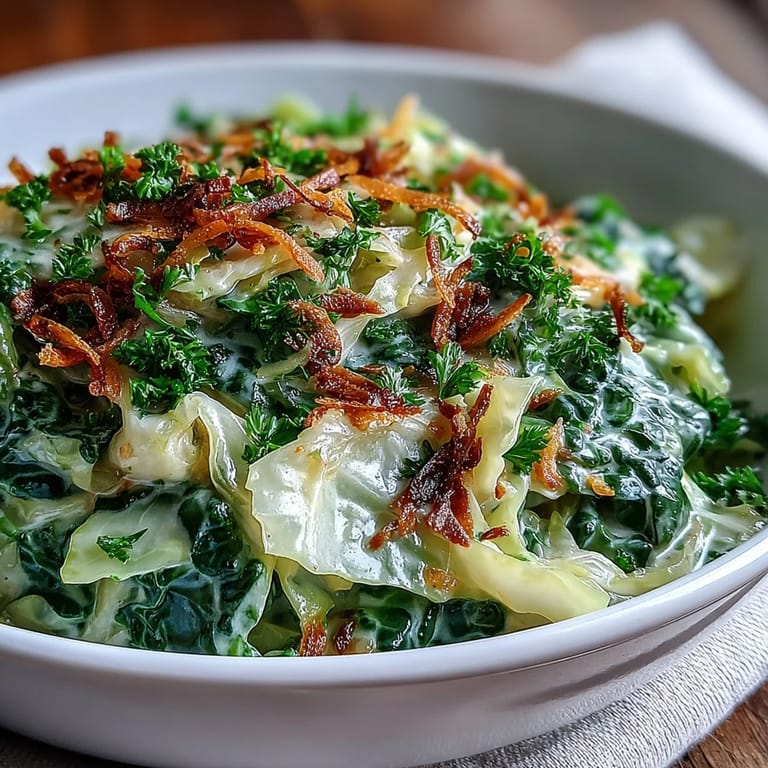
Save I realized this dish's true magic when my six-year-old nephew, who typically refuses vegetables, asked for seconds and then thirds, and suddenly cabbage wasn't something to negotiate around but something genuinely exciting on his plate. That's when I understood this recipe wasn't just about making something delicious—it was about changing how people see an ordinary vegetable.
Why This Works as a Side Dish
The beauty of braised cabbage is its flexibility—it doesn't demand to be the center of attention, but it never disappears into the background either. The coconut milk acts as a bridge, making it rich enough to stand alongside bold curries or grilled meats, while the warmth of the spices keeps it interesting without competing for space on the plate. It's substantial enough to feel like you've added something meaningful to dinner, but light enough that it never leaves you feeling overstuffed.
Building Layers of Flavor
What makes this dish memorable is how the flavors build rather than all arriving at once. The onions and ginger create sweetness and depth, the spices add warmth and complexity, and the coconut milk ties everything together into something that feels greater than the sum of its parts. Each element has a job, and when they work together, you get something that tastes far more complicated than the 35 minutes it takes to make.
Making It Your Own
This is one of those recipes that invites tinkering without fear—it's forgiving enough to handle changes and creative enough to benefit from them. The spice ratios can shift based on what you have and what you're craving, and there's room for additions that suit your taste or your pantry.
- A squeeze of lime juice just before serving adds brightness that cuts through the richness perfectly.
- Swap green cabbage for savoy, napa, or even red cabbage depending on what you find or what color you're drawn to.
- For extra indulgence, use only the thick cream from the top of the coconut milk can instead of shaking it first.
 Save
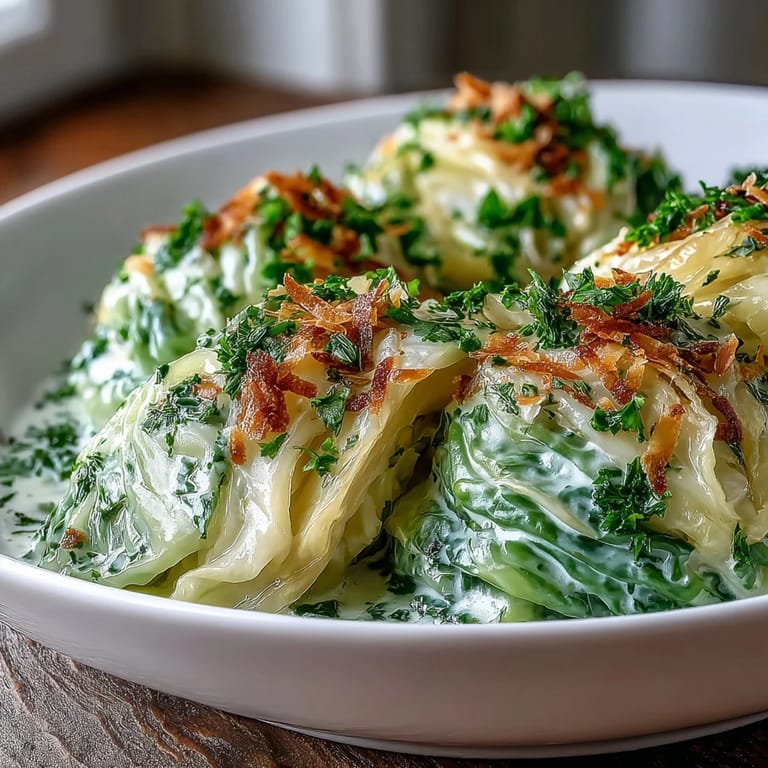
Save This dish has become one of those recipes I return to again and again, not because it's complicated or impressive, but because it reliably turns an ordinary evening into something that feels a little bit special. Keep it close.
Recipe Questions & Answers
- → Can I use a different type of cabbage?
Yes, you can substitute green cabbage with savoy or napa cabbage. Both will work well, though napa cabbage will cook slightly faster and have a more delicate texture.
- → How can I make this dish spicier?
Increase the chili flakes to 1 teaspoon or add fresh sliced chilies when sautéing the aromatics. You can also add a dash of hot sauce before serving.
- → Can I prepare this ahead of time?
Yes, this dish reheats beautifully. Store in an airtight container in the refrigerator for up to 4 days. Reheat gently on the stovetop with a splash of water or coconut milk if needed.
- → What can I serve with coconut braised cabbage?
This pairs wonderfully with jasmine rice, quinoa, grilled chicken, fish, tofu, or as a side to Indian curries. It also works well as a topping for baked sweet potatoes.
- → Can I use light coconut milk instead of full-fat?
While you can use light coconut milk, the dish will be less rich and creamy. For best results, stick with full-fat coconut milk or use just the thick cream from the top of the can.
- → How do I prevent the cabbage from becoming mushy?
Keep the heat at a gentle simmer and avoid overcooking. Check the cabbage after 15 minutes—it should be tender but still have some structure. Remove from heat once it reaches your desired texture.